




Dr. Dieter Reinisch, journalist specializing in European political affairs. (Photo: Provided by the subject)
The 1975 Helsinki Final Act, signed by 35 European countries, the US and Canada, promoted East–West dialogue, security, economic–scientific cooperation, and human rights, laying the groundwork for today’s OSCE.
WAJ: Fifty years after the Helsinki Final Act, why is its message of peace still important for young people today?
Dr. Dieter Reinisch: I think the question of peace is more important than ever. Uh, in, for the past few decades, we have never seen, uh, so many, uh, wars around the world, so many armed conflicts around the world. And, uh, so much talk about even, uh, expanding of, uh, wars, and no one is talking about peace anymore. And, uh, as you mentioned, it's the 50th anniversary of the Helsinki Declaration, and the Helsinki Declaration, its purpose was to, uh, close, uh, the divide between different blocks in the West and the East to find space for dialogue. And this is lacking nowadays. If you look at the OSCE conference in Hofburg in recent, uh, days, uh, you didn't see anything from this spirit. Uh, so because of this, it's, it's, it's really, really important that young people, uh, get an idea of this tradition, of this, uh, spirit. Uh, to learn about it, um, because otherwise, uh, we really face, uh, the, the really, really, uh, worrying threat that we might end up in another large armed conflict also here in Central Europe. And we really need to avoid that.
WAJ: How are young people in Austria learning about and taking part in ideas from the Helsinki process?
Dr. Dieter Reinisch: Um, the problem is actually, unfortunately, that there is, uh, very little about the Helsinki process nowadays, uh, in, uh, the public perception. Young people don't know about it. Uh, young people know very little about actually even the role of Vienna. We're sitting here at UN headquarters. Vienna is, um, many people would call it the International Organizations capital, uh, of the world. There are almost 100 international organizations have their seat here in Vienna. It was, uh, the place of dialogue for many decades, and that has been lost in the last couple of decades, unfortunately. Uh, younger generations don't learn about that anymore. They don't, and, and we need to rebuild this. And, uh, this comes, there is a huge responsibility from media, from schools, uh, from education to regain, uh, not only the spirit of Helsinki, uh, that we are marking, uh, at the moment, uh, but in general, uh, Vienna as, uh, a neutral location. We are still a neutral country on paper, as a neutral location, uh, to, um, establish dialogue, for debates, for negotiations that can build or rebuild a peaceful European security architecture.
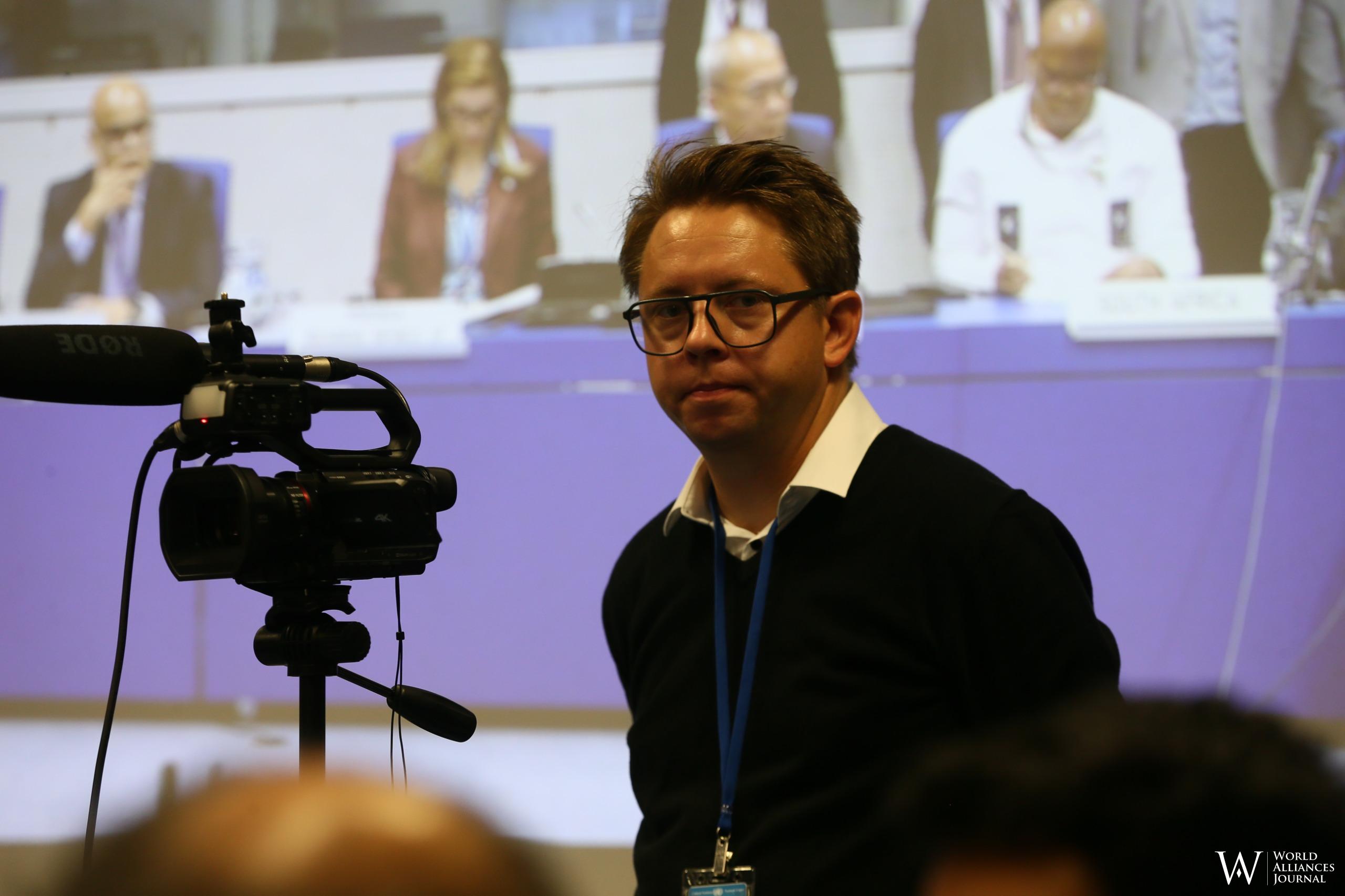
Dr. Dieter Reinisch, covering international political events (Photo: Provided by the subject)
WAJ: What simple lessons from Helsinki can help Gen Z talk to each other better and avoid conflicts now?
Dr. Dieter Reinisch: I think the main question is, one aspect that has been completely lost also, once again I'm referring back to the speeches in the Hofburg over the last two days, there were delegates who said, uh, we have to exclude Russia. And this is, uh, the wrong way forward. The main lesson to be learned from the Helsinki, uh, Declaration and the founding documents of the OSCE, uh, OSCE is: always keep, uh, lines of communication, lines of dialogue open. Always be prepared to sit down with, uh, others to talk, to debate, to discuss, to negotiate. Because every war in human history, every conflict in human history only ended by negotiations. So, there need to be open channels for negotiations. And this, I guess, is, uh, the main lesson that we need to revive, uh, nowadays from the Helsinki Declaration.
WAJ: Thank you so much!
PROMOTED
Vietnam's ambassador to Vienna and its representative before international organizations, Nguyen Trung Kien, confirmed that Austrian-Vietnamese relations are witnessing growth from year to year in all fields, especially in the sectors of trade and investments.
WAJ
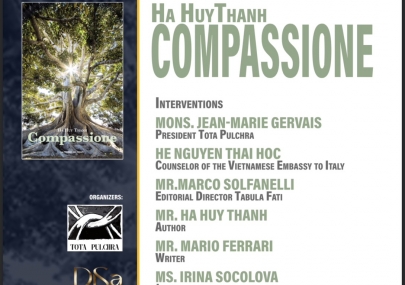
- Young translator conquers the ancient Greek classic Anabasis – Memoir of the Persian Expedition
- Austria news - Usama Nosshy channel covers Asean's 55th anniversary celebrations at the United Nations in Vienna
- VietnamPlus Newspaper reported about ASEAN's 55th anniversary at the United Nations in Vienna

MOST VIEWED
-
1
Vietnam Journey

-
2
For a Safe and Compassionate Digital Future for Women and Children

-
3
Grandmaster Le Minh Khuong: Taekwondo - the strength to protect peace

-
4
Initial indicators: Right-wing Freedom Party FPÖ wins Austrian parliamentary elections

-
5
Strengthening Australia’s relationship with Vietnam

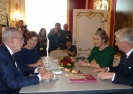
The two Kings Philippe and Van der Bellen havedifferent backgrounds, one is of royal origin, and the other is a child of a refugee family (once of noble origin) but now, in the eyes of the European public, both of them are giving off a sense of courtesy, virtue and erudition.
WAJ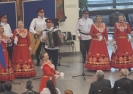
With the attendance of many international figures, the 80th anniversary of the end of World War II was celebrated at the United Nations headquarters.
Journalist Usama Soliman


Comment