





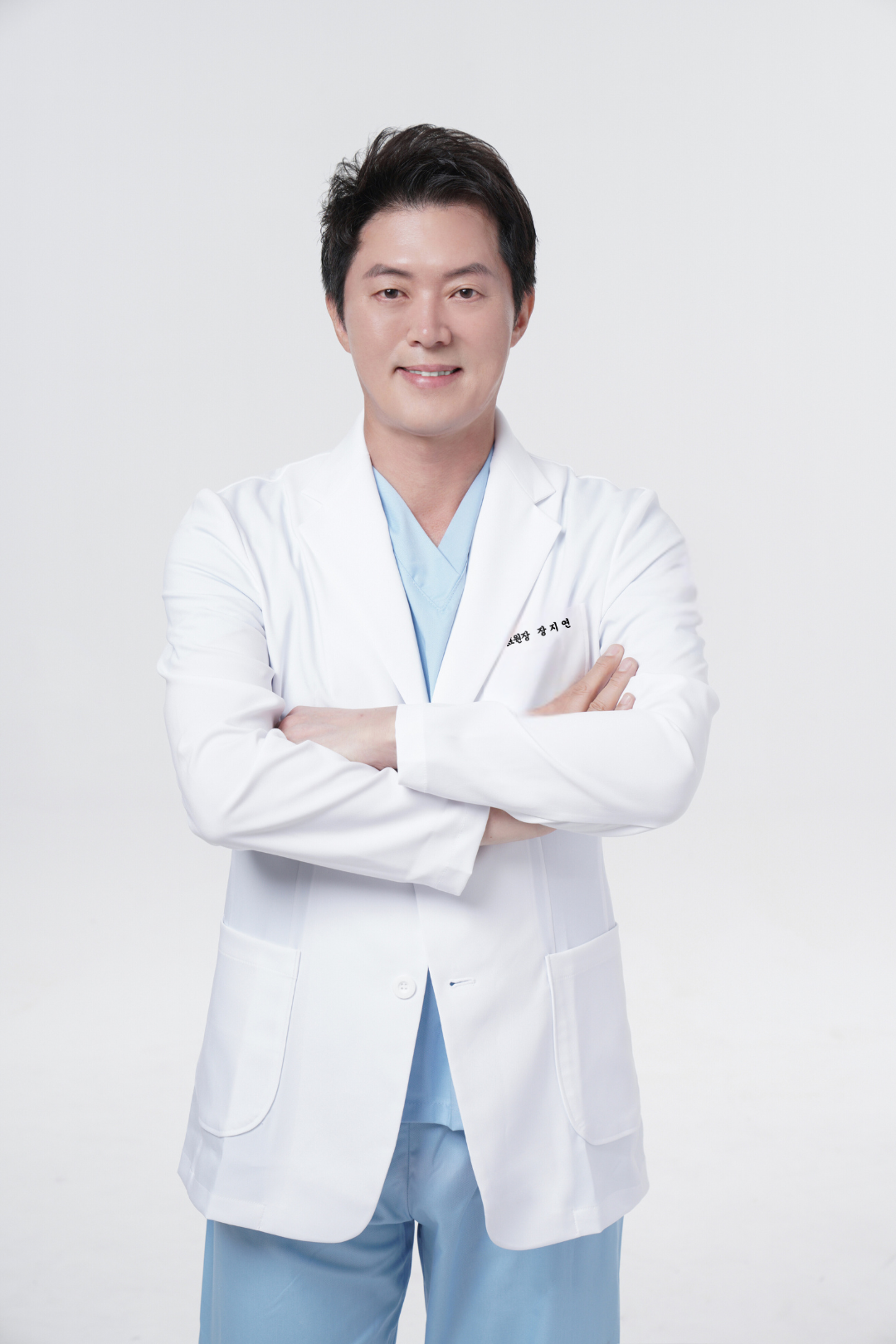
Dr. Jang Ji-yeon, Director of Vencell Clinic and CEO of JangStemLab. (Photo: Vencell Clinic)
From fat to regeneration
WAJ: You have devoted much of your professional career to aesthetic medicine, cellular science and regenerative medicine. Looking back on your journey, what initially inspired you to pursue this field, and how has your understanding of medicine and its potential to improve human life evolved over the years?
Dr. Jang Ji-yeon, Director of Vencell Clinic and CEO of JangStemLab: My starting point was fat. More than twenty years ago I began my clinical career in obesity and body-contouring medicine and liposuction, at a time when fat was regarded simply as tissue to be removed. Then, in the early 2010s, it was reported that adipose tissue is rich in mesenchymal stem cells, and I came to see that the tissue I handled every day could become a valuable source of material for regenerative medicine.
As I went on performing stem cell treatments, I saw that patients' responses to the therapy were highly heterogeneous, and I turned my attention to the cause of that variation and to how it might be resolved. In other words, I kept asking why the same treatment produces different results in different people. Over many years I observed that cells obtained in the same way led to very different responses from one patient to the next, and explaining and predicting that difference became the center of my research.
WAJ: Regenerative medicine and stem cell technology are often discussed in connection with anti-aging and aesthetic treatments. Yet their scientific potential extends far beyond appearance. How do you believe regenerative medicine could transform the way humanity approaches health, disease prevention and quality of life in the decades ahead?
Dr. Jang Ji-yeon: The essence of regenerative medicine is to restore lost function rather than replace it. Conventional medicine has been strong at controlling symptoms and slowing progression. Regenerative medicine aims to modulate the inflammatory environment of a tissue and to reawaken its own capacity for repair. Improvement in appearance is simply the area where the result becomes visible first. The process by which skin thins and loses elasticity and the process by which joints, muscles and blood vessels lose function can be seen as sharing the same biological mechanism: chronic low-grade inflammation and a decline in the tissue's regenerative capacity. That is why I do not confine regenerative medicine to appearance. I see it as a medicine that addresses aging tissue as a whole.
Over the coming decades, I expect the greatest impact to be seen in age-related degenerative diseases. Osteoarthritis, sarcopenia and chronic inflammatory conditions do not threaten life immediately, but they undermine a person's ability to live independently. Instead of resolving these conditions with surgery at the end stage, treatment will move earlier, toward preserving function.
WAJ: Stem cell research has generated enormous expectations worldwide, but it has also raised questions about clinical evidence, safety and realistic outcomes. From your medical perspective, what can stem cell science genuinely achieve today, and where must we be careful not to confuse scientific promise with established clinical results?
Dr. Jang Ji-yeon: We must separate what is established today from what remains a possibility. Hematopoietic stem cell transplantation has been a standard treatment for blood diseases for decades. Mesenchymal stem cell products have been approved by regulators in several countries for a limited number of indications, such as graft-versus-host disease and knee cartilage defects. That represents the established evidence base.
Our understanding of how mesenchymal stem cells work has also changed. Rather than turning directly into new tissue, they are now thought to act mainly by modulating immunity and inflammation and by secreting signals that support repair. In knee osteoarthritis, a growing number of clinical studies report improvement in pain and function. Yet the studies differ in cell type, dose and outcome measures, and the results are not consistent. It is too early to say that structural regeneration has been proven.
In the field of stem cell therapy, many clinical studies are underway across a wide range of specialties, including musculoskeletal medicine, kidney and liver disease, brain and heart conditions, ophthalmology, and others. I believe this research continues because the remarkable roles of stem cells are gradually becoming clearer as science advances, and because there is a conviction that they will help solve many of the health challenges humanity faces. For now, however, systemic anti-aging effects, life extension and broad efficacy across many intractable diseases have not been established in large controlled trials. Safety also varies with the manufacturing quality of the cells and the route of administration, and much still remains to be clarified.
So, at present, I believe the right question is not "Do stem cells work?" but "For whom, and under what conditions, do they work?"
The evidence - and the responsibility
WAJ: South Korea has become an influential center for aesthetic medicine, biotechnology and medical innovation. What do you consider Korea’s most distinctive contributions to the development of regenerative medicine, and what must the country do to strengthen its position as a trusted leader in international medical science?
Dr. Jang Ji-yeon: Korea's contributions can be summarized in three points. First, in the early 2010s, Korea was among the first countries in the world to grant marketing approval to stem cell therapies, gaining early experience in the manufacturing and quality control of cell products. Second, Korean aesthetic medicine has built a high level of procedural skill and a very large body of clinical experience. Third, through the Advanced Regenerative Bio Act, Korea has institutionalized regenerative medicine so that it is performed only at government-designated institutions, after review according to the level of risk.
In particular, the amended Act that took effect in February 2025 removed the restriction on which diseases may be studied in clinical research, and opened a path to treatment limited to serious, rare and intractable diseases. This framework allows research to proceed broadly while opening access to treatment gradually, subject to review. In addition, the government provides wide-ranging research funding for clinical studies.
The tasks ahead are equally clear. Korea should be judged by published clinical data, not by the number of procedures. We need a culture of reporting long-term follow-up and adverse events transparently, and of publishing in international journals even the results that fall short of expectations. Korea should also move from being a country that attracts foreign patients to one that shares standards and expertise.
WAJ: As a physician and a leader in the field of regenerative and aesthetic medicine, how do you balance the desire to introduce innovative treatments with the fundamental obligation to protect patients? What standards of scientific evidence, transparency and medical ethics should guide every new treatment before it reaches clinical practice?
Dr. Jang Ji-yeon: That is a truly difficult question. As a clinician in private practice, I am eager to introduce innovative treatments as quickly as responsibly possible. Unlike other fields, however, treatments involving human subjects must adhere to strict ethical and regulatory principles. Treatment should be provided only within the scope permitted by the state, and everything beyond that should be carried out as clinical research, under strict regulation and in line with national policy.
I believe four standards should be met before a new treatment reaches clinical practice.
Evidence: non-clinical data and stepwise clinical studies
Quality: release criteria that confirm the identity, viability, sterility and potency of the cells
Transparency: the expected benefit, together with what has not yet been proven
Follow-up: long-term safety observation and adverse-event reporting
Our own research protocols have been sent back for revision several times during the review process. It is a demanding process, but I accept it as a safeguard for patients and as a process that raises the quality of the research.
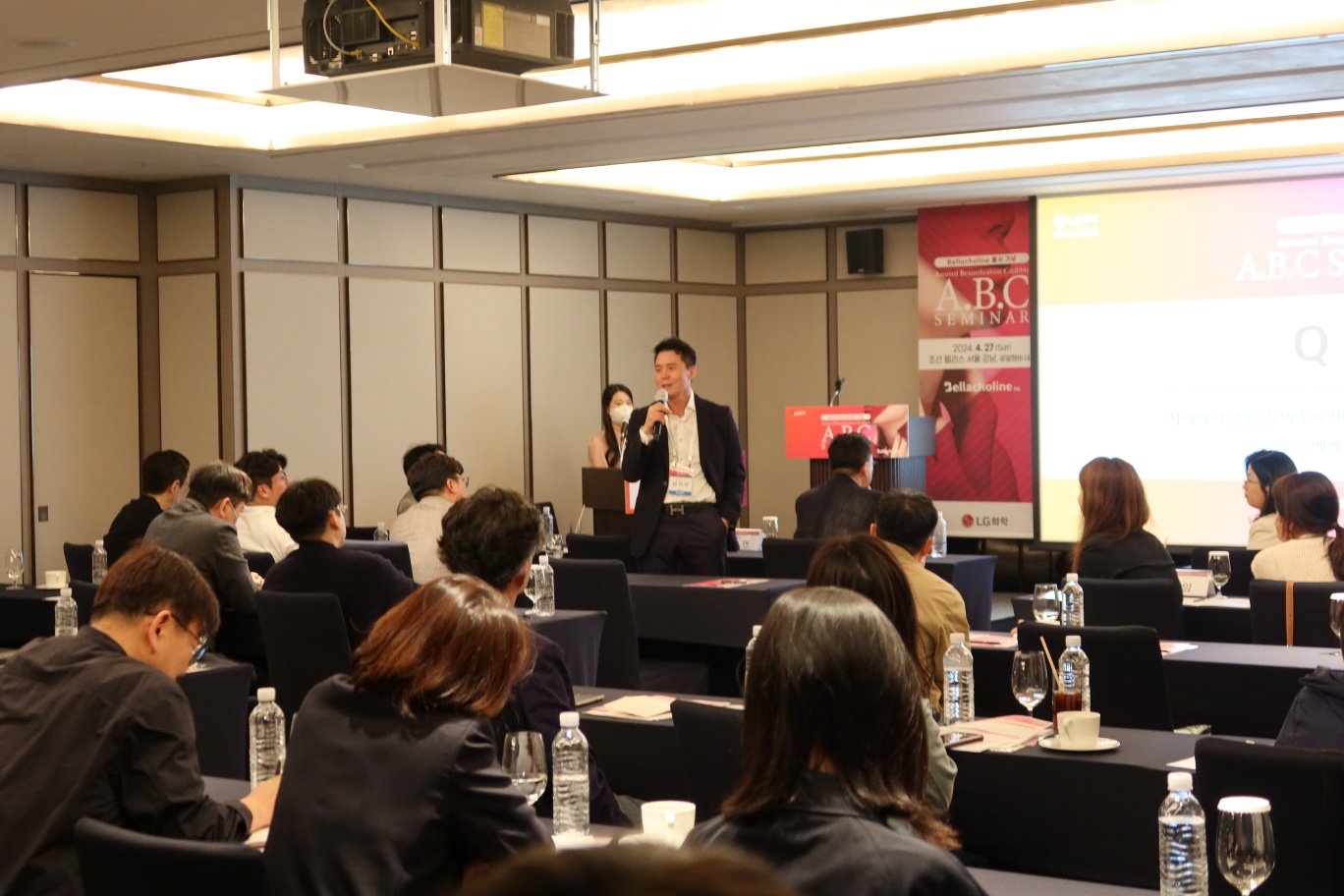
Dr. Jang Ji-yeon speaking at a medical conference. (Photo: Vencell Clinic)
WAJ: Around the world, longevity has become an increasingly important scientific and social concern. However, extending lifespan does not necessarily mean improving the quality of life. In your view, what should be the real objective of longevity medicine: living longer, remaining healthier, preserving human dignity, or achieving a meaningful balance among all three?
Dr. Jang Ji-yeon: I define the goal of longevity medicine in terms of function, not lifespan: extending the period in which a person can walk, eat, meet others and make decisions about their own life. If life grows longer but those years are filled with dependence and suffering, that is not a success of medicine.
That is why, among age-related conditions, I pay particular attention to sarcopenia. Muscle strength and walking ability are directly linked to an older person's independence, and they can be measured. Longevity medicine should speak in verifiable outcomes such as grip strength, gait speed and inflammatory markers, not in a vague promise of "youth."
If I must rank the three, health and dignity come first, and longer life follows as their result. I would add one point. If longevity medicine becomes available only to a few, that too is a question of dignity. Establishing the evidence so that it can become a standard treatment accessible to more people is the long-term responsibility of this field.
The human measure of medicine
WAJ: As a physician who has built a long career in a demanding and rapidly evolving medical field, what challenges have shaped your professional journey? How can medical professionals move beyond traditional professional boundaries to become leaders in scientific research, medical entrepreneurship and international healthcare collaboration?
Dr. Jang Ji-yeon: The greatest challenge has been keeping my balance when a new field tries to run ahead of regulation and evidence. In both aesthetic medicine and stem cell medicine, demand often outpaces existing government regulations and available clinical evidence. I began by founding a medical society to build education and standards. The Korean Society of Obesity and Body Contouring, which I founded and served as president, has grown into the largest aesthetic medicine society in Korea, and I remain active as its honorary president.
The second challenge was expanding my role from clinician to researcher and entrepreneur. Turning observations from the clinic into research questions requires speaking the same language as basic scientists, data specialists and regulatory experts. After more than twenty years of clinical practice, I founded the biotechnology company JangStemLab in 2024, and I now conduct research together with university-based basic scientists.
For physicians to move beyond traditional boundaries, I think three things are needed: the habit of recording clinical experience as data, the humility to learn from experts in other fields, and the patience to navigate the often-slow process of research protocols and review.
WAJ: Aesthetic medicine is sometimes perceived as an industry driven primarily by beauty standards and commercial expectations. Yet behind every treatment is an individual with personal hopes, insecurities and expectations. How do you define the ethical boundary between helping people feel more confident and encouraging unrealistic ideals of beauty?
Dr. Jang Ji-yeon: I find that boundary in one question: is this the patient's own standard, or someone else's? Good aesthetic treatment helps a person restore and maintain the balance of the appearance they already have. When the goal becomes a fashionable face or an attempt to look like someone else, treatment can turn into endless correction.
In my practice, I follow three principles. I do not treat when expectations exceed what is medically achievable. When I see psychological distress about body image behind repeated requests for procedures, I recommend counseling rather than another procedure. And I explain benefits, limits and side effects with equal weight. A physician must be able to say, "I would advise against this."
At the level of the industry, the greatest problem is advertising that provokes anxiety. Aesthetic medicine should not be an industry that creates insecurity and sells the remedy. It should be a medicine that helps people feel at ease with themselves. In my experience, the most satisfied patients were not those who changed the most, but those who achieved the most natural-looking results. Fortunately, patients' requests in recent years show a welcome trend: they prefer natural change to artificial change.
WAJ: Advances in biotechnology, cellular research, artificial intelligence and precision medicine are opening new possibilities for individualized healthcare. How do you envision the integration of these technologies into regenerative medicine, and what changes might patients experience in the next 10 to 20 years?
Dr. Jang Ji-yeon: Cell therapy is personalized medicine by nature. Even when using autologous cells, their functional capacity varies according to the patient's age, inflammatory status, and genetic background. Future technologies will increasingly be used to measure and predict these differences before treatment.
Specifically, I expect four layers to come together.
Genomic and epigenomic information is used to assess how likely a patient is to respond.
Artificial intelligence analyzes cell images and culture data to grade cell quality.
Automated culture systems reduce variation in manufacturing.
Outcome data feed back to improve the prediction models.
PREDI-CELL, the precision-diagnosis-based individualized cell therapy platform being developed by JangStemLab, the company I lead, follows this direction.
In ten to twenty years, before deciding whether to receive stem cell treatment, patients will first be told what level of response can be expected from their own cells and their own condition. For patients in whom a good response is not expected, the field will advance toward improving the outcome through treatment optimized for them. This is an important direction for individualized, precision-diagnosis-based stem cell therapy.
Prediction models, however, must be validated with sufficient clinical data and reviewed by regulators as medical device software. We are now at the stage of beginning to build that evidence.
Building a global future for regenerative care
WAJ: Scientific progress becomes more meaningful when knowledge and innovation can benefit people beyond national borders. What opportunities do you see for international cooperation between South Korea and other countries, particularly in Asia and Europe, in the fields of regenerative medicine, medical research and professional education?
Dr. Jang Ji-yeon: I see opportunities in three areas. The first is joint clinical research. Because the response to cell therapy may differ with genetic background, data from several populations are needed. If Korea, Vietnam and other Asian countries, and Europe conduct studies under a common protocol, we can produce evidence that no single country could obtain alone.
The second is mutual learning on regulation and standards. Europe's framework for advanced therapy medicinal products, Japan's legislation on regenerative medicine and Korea's Advanced Regenerative Bio Act each try to balance innovation and safety in a different way. A common framework for cell quality standards and long-term follow-up would make it easier to recognize one another's research results.
The third area is professional education. I have been preparing training programs for physicians from abroad, and I believe it is important to convey not only technical skills but also patient selection, informed consent, and safety management.
Vietnam is a country with rapidly growing demand for healthcare and a young, highly capable medical workforce. Rather than a relationship in which patients travel in one direction, I would like to build one in which we share standards with local physicians and conduct research together.
WAJ: Vencell Clinic has positioned itself within the developing field of advanced regenerative medicine in South Korea. What is the central philosophy behind Vencell, and what scientific, clinical and ethical principles distinguish its approach? Looking ahead, what international partnerships or long-term ambitions would you like to develop for the clinic?
Dr. Jang Ji-yeon: Vencell's philosophy is to provide clinical treatment grounded in medical evidence and to realize patient-centered care. On a scientific basis, we do not apply stem cells to everyone in the same way. We first assess the patient's condition and the quality of the cells, and plan accordingly.
At present, we are pursuing a controlled clinical study in age-related conditions such as sarcopenia, in accordance with the national review process. In the long term, building on the protocols and data generated by this research, we hope to expand collaborative research and physician-training partnerships with medical institutions and universities in Asia and Europe.
I hope Vencell becomes less of a large hospital and more of a reference point that shows how regenerative medicine can be practiced responsibly.
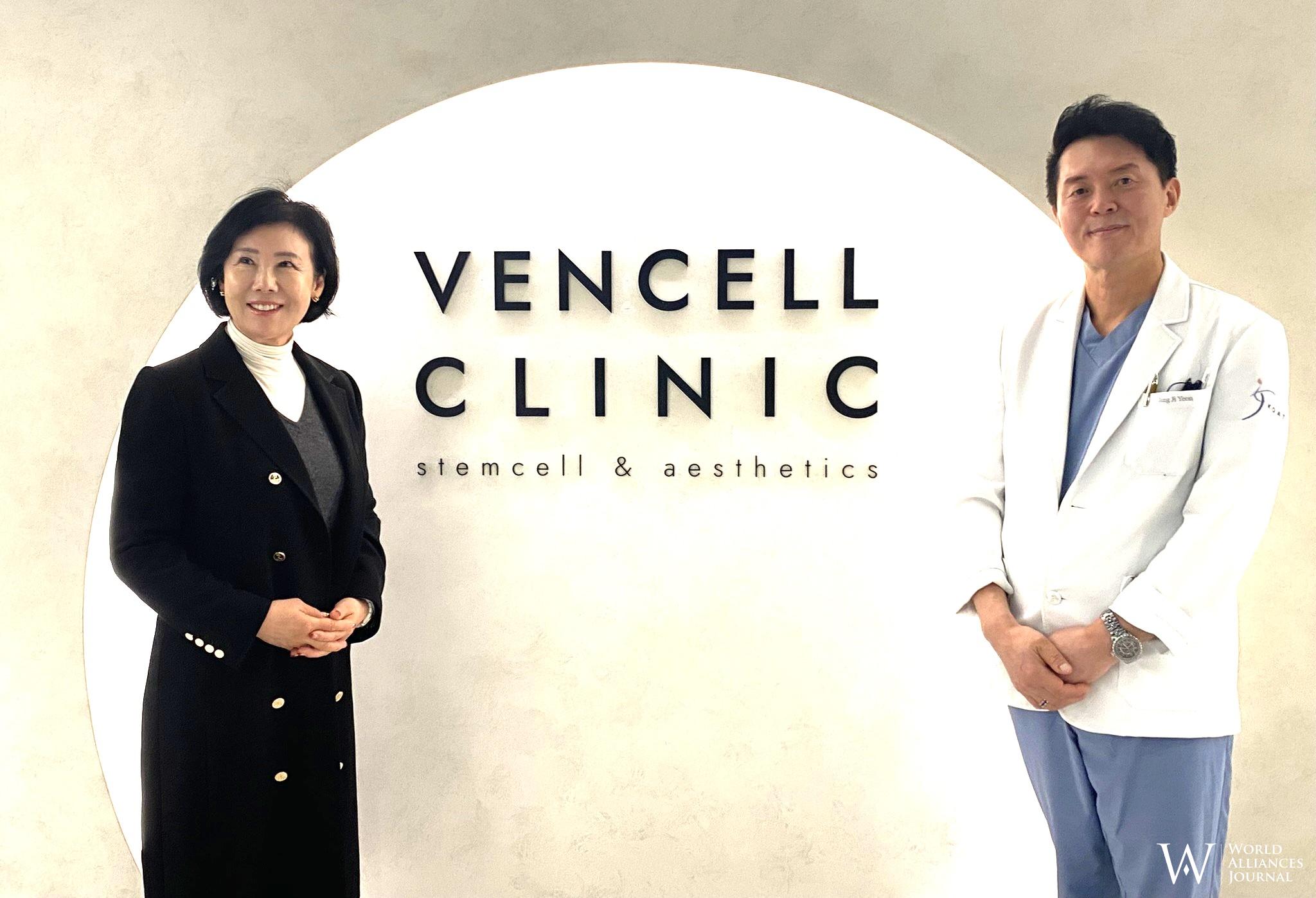
Dr. Jang Ji-yeon with his wife at Vencell Clinic’s headquarters in Seoul. (Photo: WAJ)
WAJ: As medicine enters an era in which science may increasingly influence how human beings age, recover and live, what message would you like to share with young doctors, researchers and future medical leaders? Ultimately, what responsibility should the medical profession carry toward humanity - not only in advancing technology, but also in preserving the value and dignity of human life?
Dr. Jang Ji-yeon: There are three things I would like to say to young doctors and researchers.
First, find your questions in the clinic. The most important research topics come from clinical observations that cannot yet be explained. Second, value evidence over new technology. New technologies appear every year, but what ultimately matters to patients is the verified result. Third, have the courage to say "I do not know." The greater the expectations in a field such as regenerative medicine, the more a physician's honesty protects patients.
As medicine gains more power to intervene in aging and recovery, its responsibility grows as well. I believe the profession carries two responsibilities. One is to tell society honestly what science can promise and what it cannot. The other is never to forget that a single person's life stands at the center of every technology.
What we are trying to extend is not biological time, but the time in which a person can live as themselves.
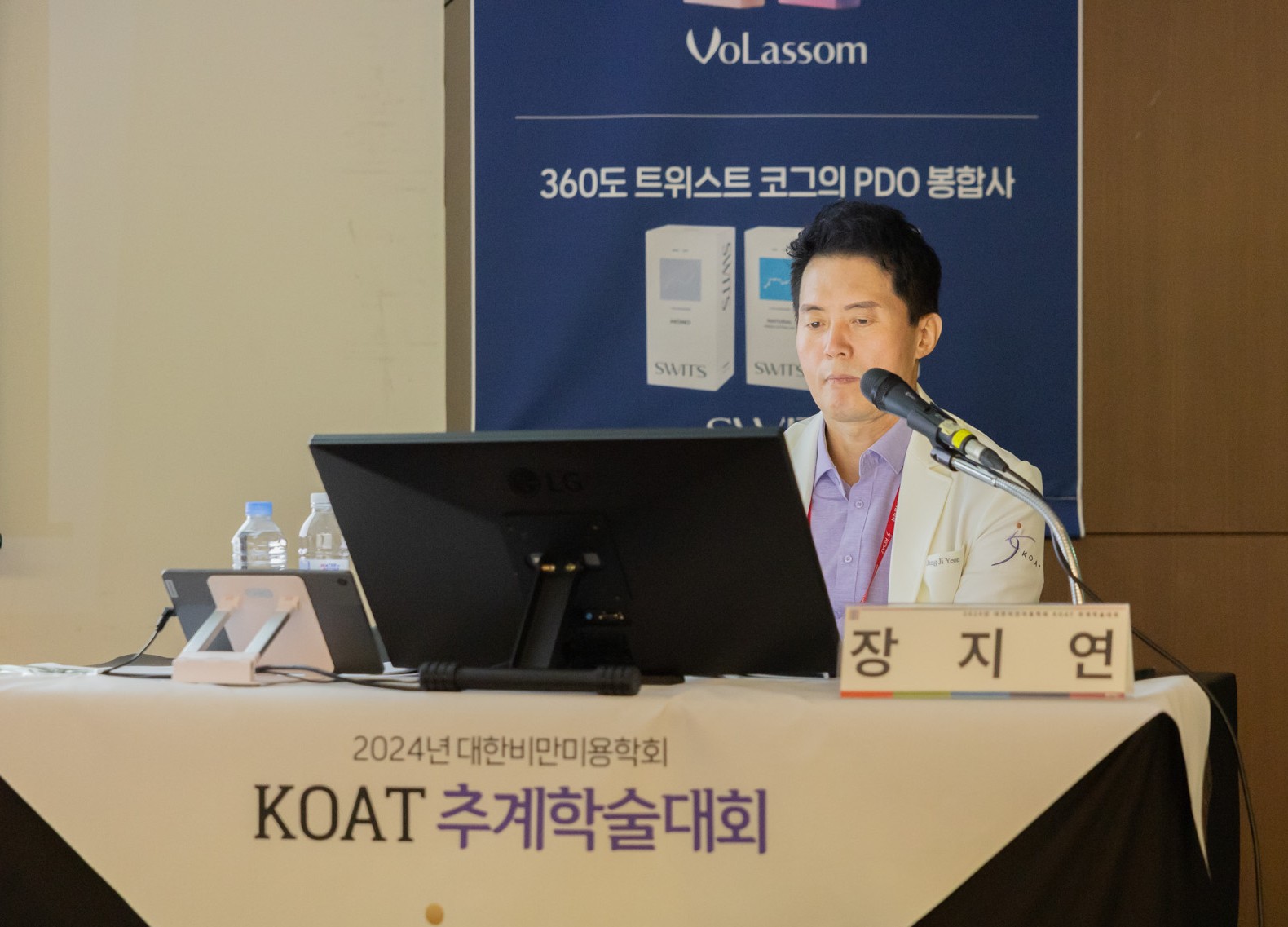
Dr. Jang Ji-yeon, Director of Vencell Clinic and CEO of JangStemLab, Founder of the Korean Society of Obesity and Body Contouring, President of the International Society for Stem Cell Aesthetics. (Photo: Vencell Clinic)
DR. JANG JI-YEON (KOREA)
Dr. Jang Ji-yeon is a South Korean physician specializing in obesity medicine, body contouring, aesthetic medicine and regenerative medicine. He is the Director of Vencell Clinic and CEO of JangStemLab, Founder of the Korean Society of Obesity and Body Contouring, and President of the International Society for Stem Cell Aesthetics.
Beginning his career in obesity treatment and liposuction, Dr. Jang has expanded his work into research on the regenerative potential of adipose-derived stem cells. He has held leadership positions in international medical organizations, including the International Union of Aesthetic Medicine (U.I.M.E.), and has spoken at medical conferences in Asia, Europe and the United States.
His published works include Contour Skills Using Liposuction for Face and Body, How to Establish an “S” Body Line and Making My Inner Body Clean. His professional distinctions include the 2012 New Korea Medical Professional Award and the 2013 Global Pharmaceutical & Bio New Drug Grand Prize. He has also received recognition in the field of global healthcare for stem cell research and treatment.
Seoul, South Korea, 7 November 2026
PROMOTED

In a rapidly changing world, strategic competition, conflicts, climate change and economic disruptions are creating increasingly complex and interconnected challenges. Against this backdrop, international cooperation and multilateralism remain essential to maintaining peace and stability and promoting sustainable development.
WAJ- Expert jason picard: research history through the prism of literature
- Contribution to the Seminar “Compassion the key to Global issues”
- The Mosaics of the King Global Summit 2022: Connecting and converging ideas of international intellectuals and scholars
- An international exhibition in Vienna discussing the development of medical and pharmaceutical services

- OSCE’s role in bridging regional co-operation to tackle security implications of climate change at heart of high-level conference
- Viet Nam signs a Memorandum of Understanding with UNCITRAL
- International Narcotics Control Board concludes 135th session, expresses concern about situations in Afghanistan, Ukraine and Myanmar
- Quick, Hamleys






MOST VIEWED



The two Kings Philippe and Van der Bellen havedifferent backgrounds, one is of royal origin, and the other is a child of a refugee family (once of noble origin) but now, in the eyes of the European public, both of them are giving off a sense of courtesy, virtue and erudition.
WAJ
With the attendance of many international figures, the 80th anniversary of the end of World War II was celebrated at the United Nations headquarters.
Journalist Usama Soliman



Comment