



Looking toward Vietnam on the eve of the Party Congress, how do you perceive the country’s recent developments? Could you also share your contributions to connecting Vietnam with the international community where you live and work, as well as your hopes for continuing to engage and support Vietnam in the years ahead?
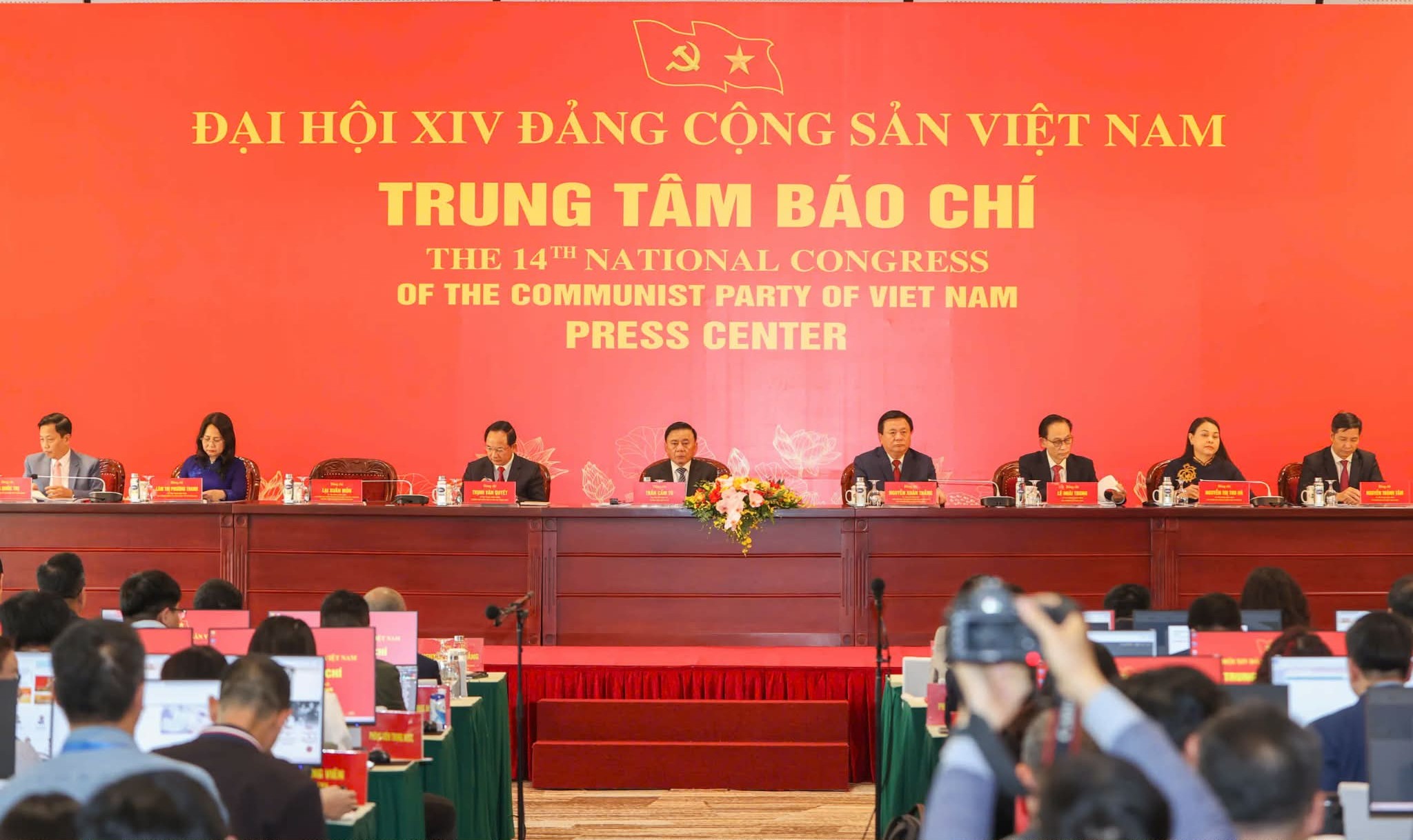
Vietnam’s 14th Party Congress in Hanoi. (Photo: VNA)
From France: Vietnamese Innovation in Foundational Optimization Methods, Applied Worldwide
Professor Le Thi Hoai An, Senior Member of Academic Institute of France (France)
On the eve of Vietnam’s Party Congress, I have followed the country with great attention and expectation. It is evident that Vietnam is entering a new phase of development, in which science and technology, innovation, and digital transformation are recognized as key drivers for rapid and sustainable growth. The Party and State’s emphasis on the role of core technologies, technological autonomy, and the development of high-quality human resources reflects a sound strategic vision in the context of increasingly fierce global technological competition.
As a Vietnamese scientist working abroad in the fields of artificial intelligence, optimization, and advanced computational technologies, I have always been concerned with how the core knowledge and technologies that I, together with the international scientific community, am developing can be effectively transferred and applied in Vietnam. Over the past years, I have actively engaged in research collaborations, connected domestic and international research groups, trained 30 Vietnamese PhD students and promoted academic exchange, while also carrying out several technology projects at some Vietnamese corporations, thereby laying the foundation for systematic access to and development of advanced technologies.
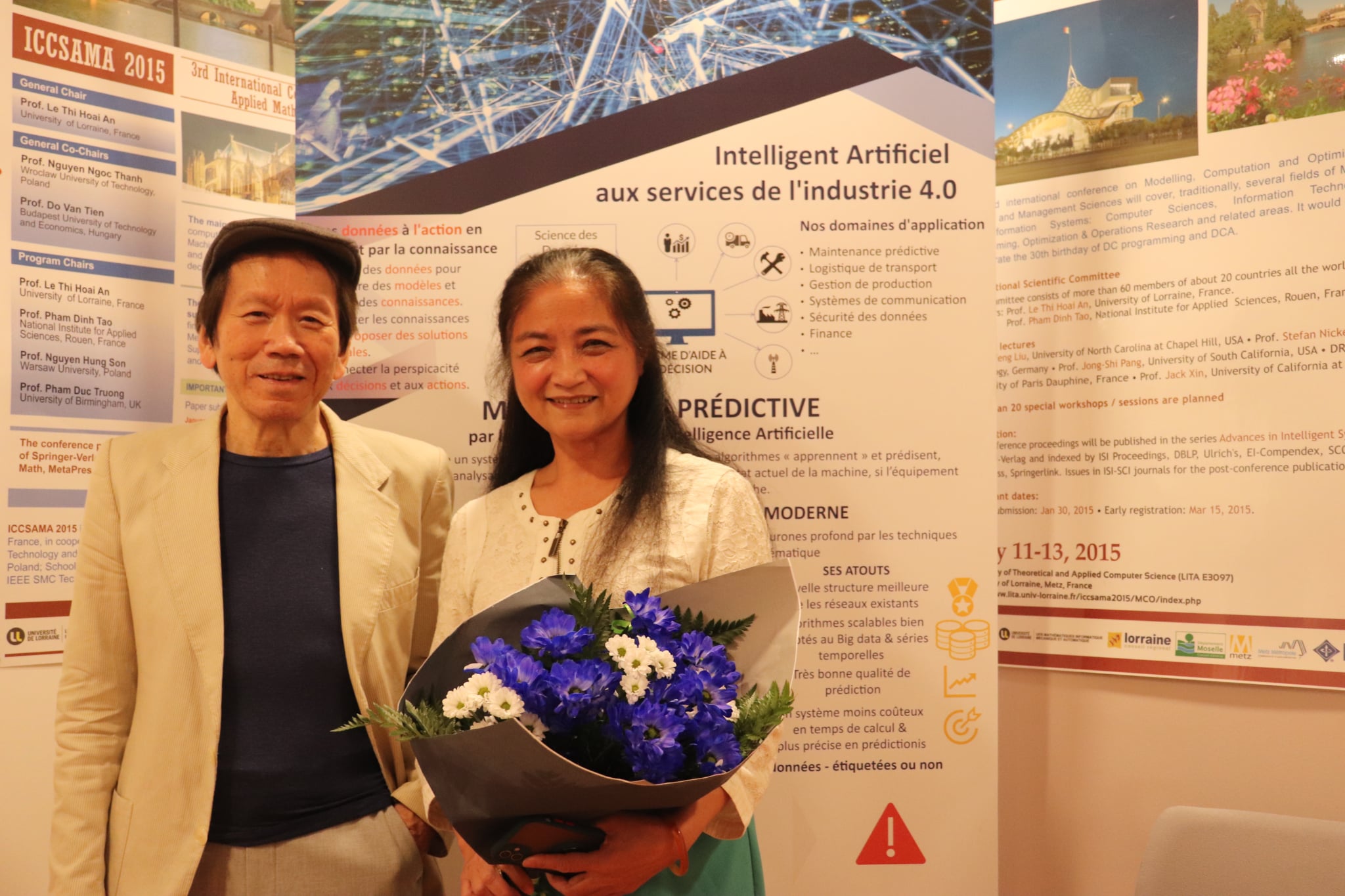
Prof. Le Thi Hoai An and her husband – Prof. Pham Dinh Tao, founders of DCA - a foundational nonconvex optimization framework, which has been widely used by the global scientific and technological community for over 40 years. (Photo courtesy of the subject)
In my area of expertise, one thing that has always preoccupied me, yet also fills me with pride, is that Vietnam can indeed create foundational technologies with global impact. For instance, the DCA nonconvex optimization framework, initiated by Professor Phạm Đình Tao and further developed together with Vietnamese scientists over the past 40 years, has been widely adopted by the international scientific and technological community across critical fields such as artificial intelligence, machine learning, telecommunications, finance, and complex engineering systems. This demonstrates that Vietnamese intellect has contributed directly to the formation of globally relevant foundational technologies, rather than merely receiving or applying existing knowledge.
From this perspective, I hope to continue accompanying Vietnam more closely in the coming years through major, strategic, and long-term programs and projects, aiming to bring core scientific principles such as DCA back to the country to generate key technologies that directly serve the process of socio-economic development.
I believe that mastering these core methods and technologies will play a crucial role in building domestic capacity, forming strong research teams, and enhancing Vietnam’s competitiveness in this new stage of development.
Through international collaboration, I have also observed that science and education are the most effective “soft bridges” to connect Vietnam with the global community, generating long-term and sustainable value for the country. I will accompany the younger generation of Vietnamese scientists, supporting them in accessing and applying advanced technologies, thereby helping to build a foundation for strategic projects in the future.
Insights on Vietnam’s Future from a Hungary-Based Professor
Prof. Bui Minh Phong, Eotvos Lorand University (Hungary)
As a Vietnamese who left the country decades ago to study, teach, and live in Hungary, I have always followed Vietnam’s developments with deep affection and a sense of responsibility. On the eve of the upcoming Party Congress, it is clear that Vietnam stands before significant opportunities, alongside numerous intertwined challenges: the need to renew growth models, enhance the quality of human resources, advance science and technology, pursue digital transformation, while maintaining political and social stability and preserving national cultural identity amid a rapidly changing and complex world.
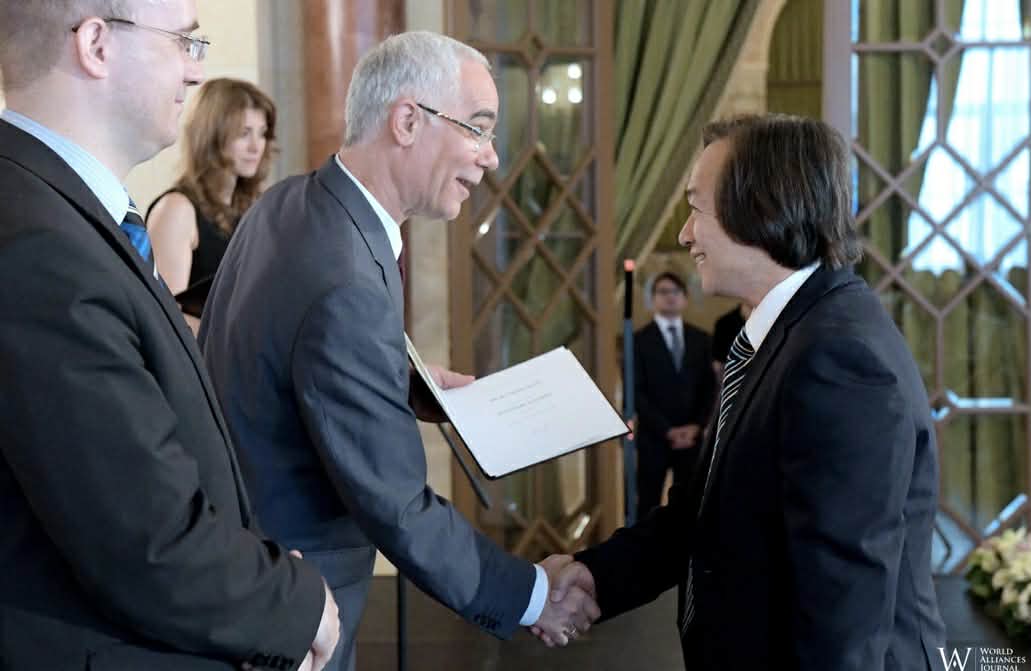
Prof. Bui Minh Phong of Eotvos Lorand University (Hungary) - one of the professors awarded the Knight’s Cross by the President of Hungary (2023). (Photo courtesy of the subject)
From the perspective of someone engaged in science and education in Europe, I greatly appreciate Vietnam’s efforts toward deeper international integration, the emphasis on knowledge and the role of intellectuals both at home and abroad, as well as the practice of listening to diverse opinions in pursuit of sustainable development goals. I hope that this Party Congress will continue to affirm a long-term vision, generating new momentum for institutional reform, education and training, and science and technology, recognizing these as key pillars for the country’s future.
Having lived and taught in Hungary for over forty-five years, as a university professor, I have always tried to serve as a modest bridge between Vietnam and my local colleagues: introducing the history, culture, and people of Vietnam; supporting and encouraging academic collaboration, student exchanges, and scientific research; linking Eotvos Lorand University with universities in Vietnam; and accompanying the Vietnamese community in Hungary in preserving national identity and maintaining ties with the homeland.
At my age, I have few personal ambitions left. What I value most is the continued opportunity to contribute, within my capacity, to the connection of knowledge, education, and friendship between Vietnam and the countries I have been part of; and I hope that Vietnam will continue to prosper, with a strong economy, an equitable and civilized society, so that future generations can take pride in their Vietnamese heritage.
Vietnam–Germany Culture and Music in Knowledge Exchange
Professor and Artist Dang Ngoc Long, Director of the Berlin-Gesundbrunnen Music School (Germany)
In the period leading up to Vietnam’s Party Congress, I have observed a strong sense of positive, comprehensive, and determined change across the country. This movement extends beyond socio-economic progress to a deeper shift in development thinking - reflecting an aspiration to advance, to integrate globally, while remaining firmly rooted in national cultural identity. Vietnam is entering a critical transitional phase, where traditional values are placed in open dialogue with innovation, creativity, and international integration.
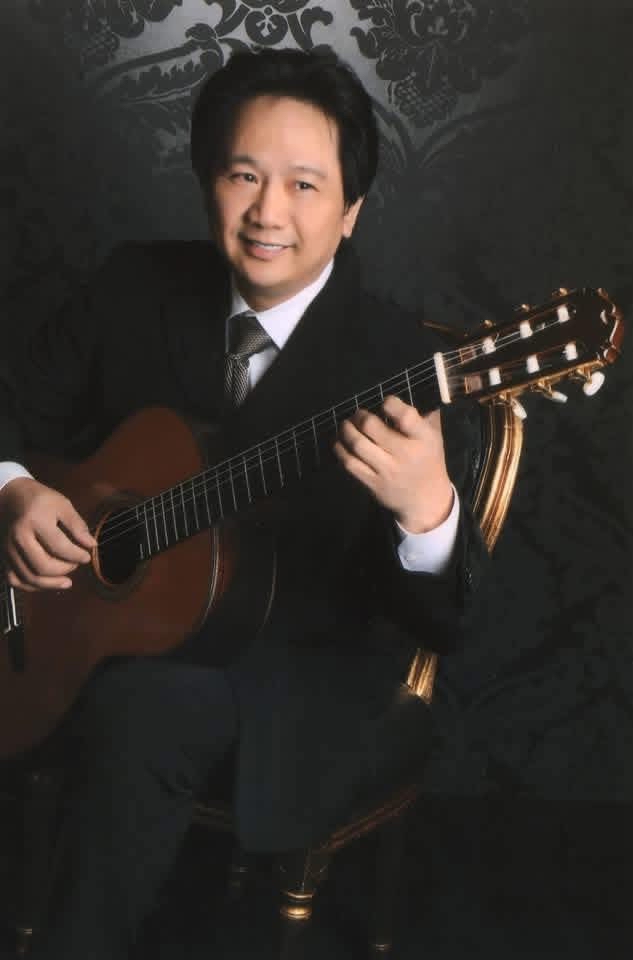
Professor and artist Dang Ngoc Long, one of the most prominent Vietnamese composers in Europe. (Photo courtesy of the subject)
Throughout my journey of living and working abroad, I have remained deeply aware of my responsibility as a Vietnamese toward my homeland. My efforts, whether in academia or in the fields of culture and the arts, have consistently been directed toward serving as a bridge between Vietnam and the international community. Recently, having the opportunity to perform the orchestral suite “Kieu” with a German symphony orchestra at the Ho Guom Opera House in Hanoi was a particularly meaningful experience. This was not merely an artistic event, but a vivid demonstration of cultural dialogue: a masterpiece of Vietnamese literature resonating within the European classical symphonic tradition, at the very heart of the capital.
I believe that such encounters enable international audiences to gain a deeper understanding of Vietnam’s cultural depth, spirit, and identity, while also demonstrating that Vietnam is ready to engage with the world through its own intrinsic values.
In the time ahead, I hope to continue accompanying, remaining closely connected to, and contributing more to my homeland - particularly in fostering connections in knowledge, culture, music, and people between Vietnam and the wider world. Wherever I may be, Vietnam remains my spiritual anchor, my source of inspiration, and the place toward which I turn with profound respect and a strong sense of responsibility.
Vietnamese Entrepreneurs in Laos and Bilateral Ties
Ms. Pham Thi Minh Huong – Standing Committee Member of the Vietnam General Association in Laos, Vice President of the Association of Vietnamese Entrepreneurs Abroad, Chairwoman and CEO of Gold Phuc Company (Laos)
As Vietnam approaches the Party Congress, I can clearly sense the country’s positive momentum in its process of renewal, international integration, and sustainable development. For Vietnamese entrepreneurs living and working abroad - particularly those of us based in Laos - each step forward taken by our homeland is closely tied to a sense of pride, connection, and shared responsibility.
In my role as Vice Chairwoman of the Association of Vietnamese Entrepreneurs Abroad, and as a businesswoman operating in Laos, I have taken part in various initiatives aimed at strengthening connections between Vietnam and Laos, as well as with several other countries. Our enterprise consistently complies with local laws and regulations, fulfills its social responsibilities, contributes to the local community, and seeks to project the image of Vietnamese businesses as credible, responsible, and respectful of local cultures.
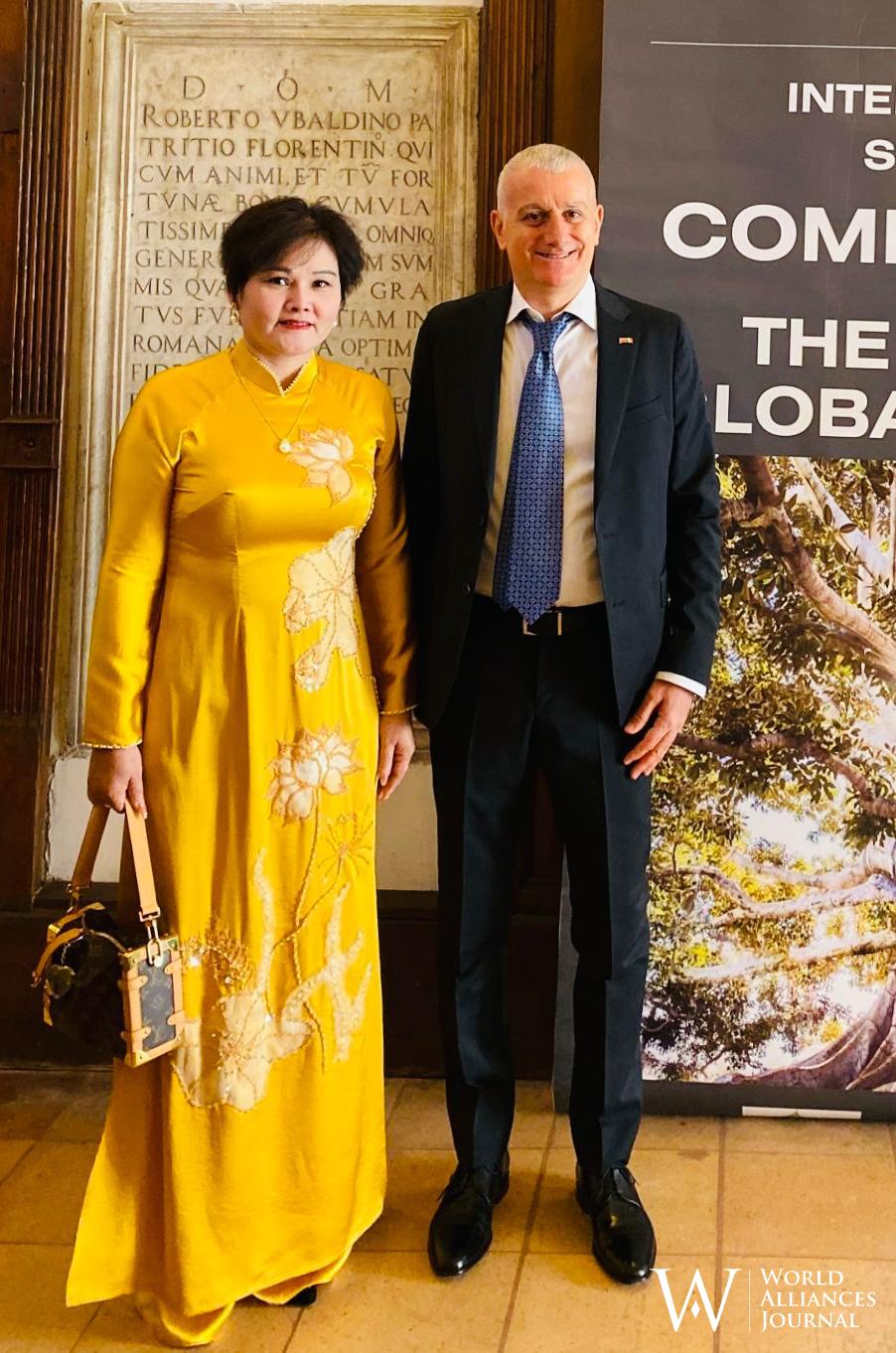
Ms. Pham Thi Minh Huong has been working to connect Vietnamese, Lao, and international businesses (Photo: WAJ)
Looking ahead, I hope to continue accompanying and contributing to efforts that connect Vietnamese entrepreneurs abroad, promote sustainable economic cooperation, foster cultural exchange, and further strengthen the long-standing friendship and close ties between Vietnam and Laos.
People-to-People Diplomacy in Vietnam–Slovakia Connectivity
Mr. Ho Huy is the Honorary Consul General of the Slovak Republic in Ho Chi Minh City and the chairman of Mai Linh Group (Vietnam–Slovakia)
Vietnam is steadily affirming its development resilience, maintaining political stability while proactively pursuing deep and responsible international integration. In my view, this Party Congress is significant not only for the people at home, but also in strengthening the confidence of international partners and overseas Vietnamese communities in Vietnam’s long-term development path.
For more than two decades, in my capacity as Honorary Consul General of the Slovak Republic in Ho Chi Minh City, I have sought to make a modest contribution to promoting friendship, economic cooperation, cultural exchange, and people-to-people ties between Vietnam and Slovakia. Through business networking activities, investment and trade promotion, and efforts to enhance mutual understanding between the two peoples, I hope to help deepen trust and advance cooperation toward sustainable development.
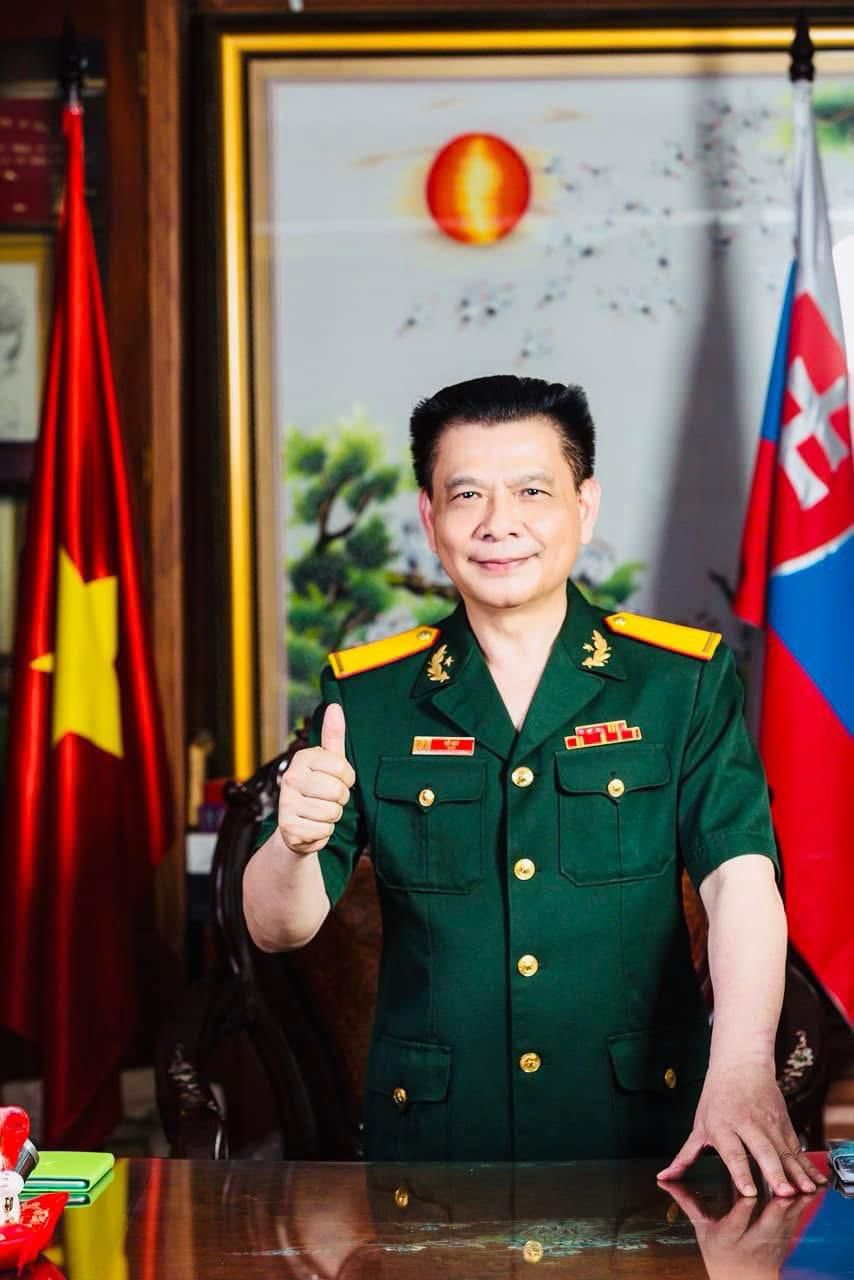
Mr. Ho Huy, Honorary Consul of Slovakia in Ho Chi Minh City, Vietnam, has worked with Slovak scientists to advance the development of a flying motorcycle prototype in Europe. (Photo: Courtesy of the subject)
From this practical experience, it is evident that the potential for cooperation between Vietnam and European countries particularly in Central Europe-remains substantial, especially in the areas of economy, trade, tourism, education, and cultural exchange. The achievements made in recent years provide a positive foundation for further expanding cooperation in the future.
Looking ahead, I hope to continue accompanying Vietnam on its path of international integration through the spirit of people-to-people diplomacy, grounded in sincerity, mutual respect, and shared interests. I am confident that under the leadership of the Communist Party of Vietnam, the country will continue to develop in a stable and sustainable manner, further affirming its position as a reliable and responsible partner within the international community.
The Humble Life of a Vietnamese Small Business Owner in Europe
Mr Tran Tuan Anh, Managing Director TRAN VU GmbH (Austria)
From Europe, I have followed developments in Vietnam with deep interest and a strong sense of connection. Amid a rapidly changing international context, Vietnam has demonstrated steady and proactive steps in its integration process - an evolution that I, along with many members of the Vietnamese community across Europe, have closely observed.
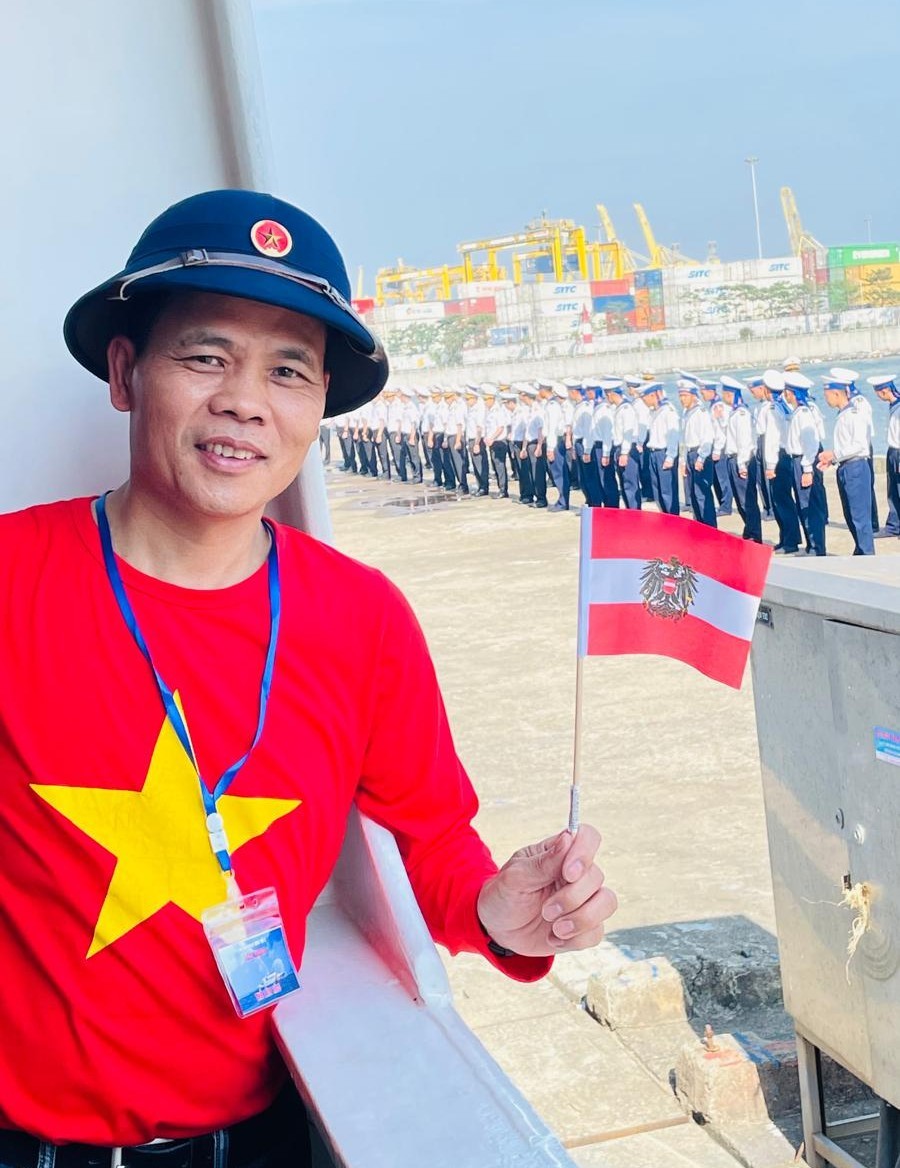
Mr. Nguyen Tuan Anh with a group of distinguished overseas Vietnamese on a visit to the Spratly Islands, Vietnam. (Photo courtesy of the subject.)
As a Vietnamese small business owner living and working in Austria, I do not focus on major economic contributions, but rather on community activities within my capacity. Through diligent work, adherence to local laws, and participation in social initiatives, I hope to help build an image of Vietnamese people as hardworking, trustworthy, and gradually integrating successfully in Austria.
Looking ahead, I hope to continue supporting the Vietnamese community in Austria, maintaining simple yet enduring connections, and through them promoting the positive values of the Vietnamese people within local social and economic life.
From Russia, Strengthening the Vietnam–Russia Bridge
Mr Dao Dai Hai, CEO of Fonary Tour (Russia)
I have been residing in the Russian Federation for nearly 40 years, yet I have always followed every step of my homeland, Vietnam, with deep pride. Today, I clearly perceive a dynamic, stable Vietnam with an increasingly prominent international standing and rich potential for cooperation. Innovations in the economy, improvements in the investment environment, and open policies toward the Vietnamese diaspora have strengthened our confidence and desire to contribute to the country’s development.

Mr. Dao Dai Hai – promoting Vietnamese cultural heritage in Russia. (Photo courtesy of the subject)
Here in Russia, I have consistently strived to serve as a bilateral bridge through business activities (tourism, import-export, investment promotion) as well as people-to-people diplomacy and community engagement. I am particularly committed to preserving our cultural roots, exemplified by the formal organization of the Hùng Kings’ Death Anniversary Ceremony in Saint Petersburg – an event that is not only spiritually meaningful but also promotes culture and reinforces national solidarity.
Looking ahead, I will continue to build bridges supporting investment, people-to-people diplomacy, and associations, contributing to the further strengthening of the traditional friendship between Russia and Vietnam.
Taken together, these perspectives reflect ongoing people-to-people connections between Vietnam and the international community, highlighting dialogue, cooperation, and shared engagement amid Vietnam’s evolving path of development and integration.
A Swedish Perspective: Vietnam’s Integration While Preserving Its Identity
Ms. LiLy Lund, Financial and Life Skills Advisor (Sweden)
Under the leadership of the Party, Vietnam is undergoing a profound transformation, assertively integrating with the world, especially in the fields of science, technology, and digital innovation. The country is expanding strategic partnerships with nations across the globe, fostering sustainable economic growth. At the same time, Vietnam places strong emphasis on environmental protection, pays close attention to education and training, and values talented individuals - particularly by encouraging overseas Vietnamese intellectuals and scientists to contribute their knowledge and expertise to the nation, a timely and commendable initiative.
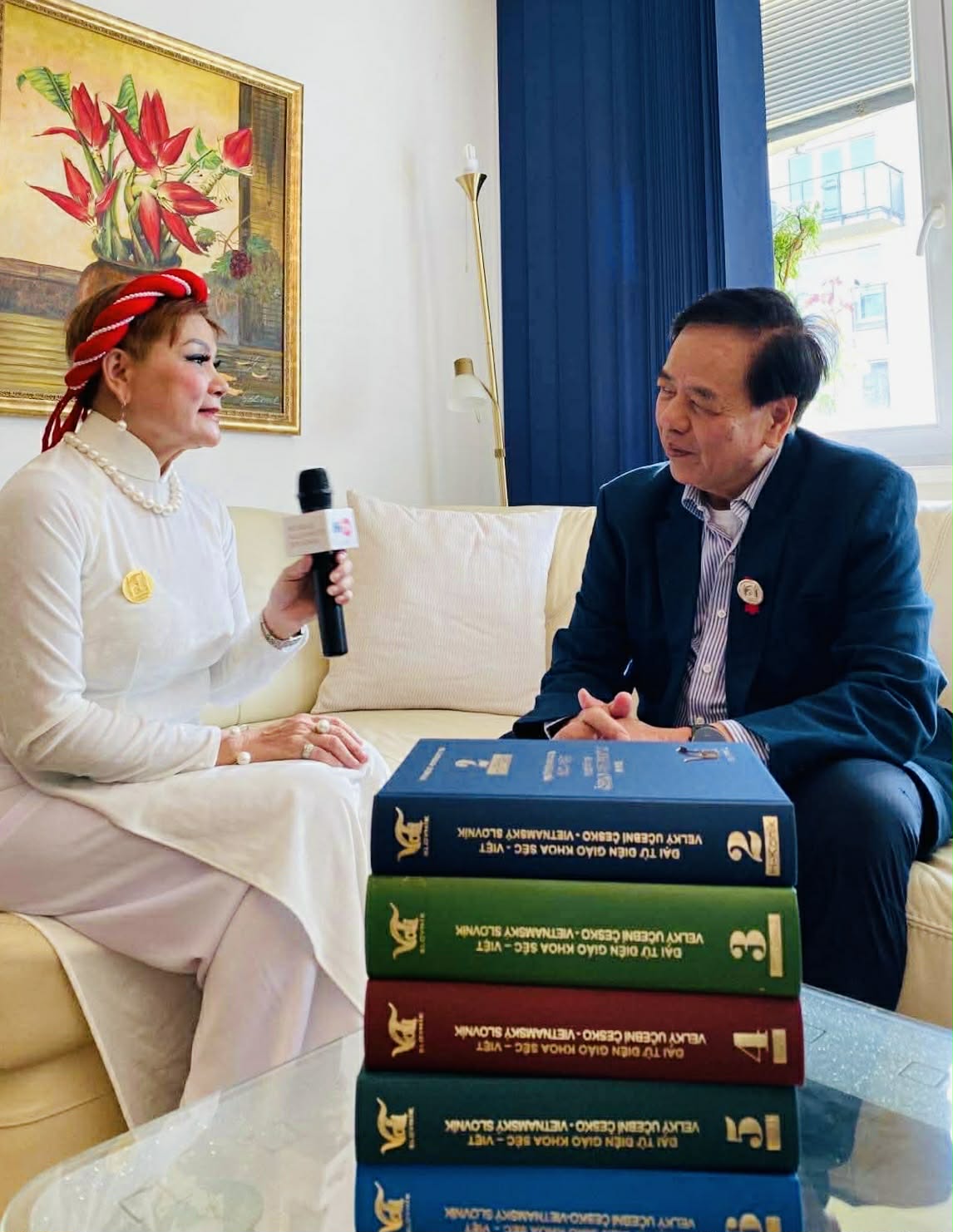
Ms. LiLy Lund, Financial and Life Skills Advisor. (Photo courtesy of the subject)
In my view, to attract foreign investors and encourage overseas Vietnamese entrepreneurs to invest domestically, Vietnam must further improve its public administration, investment laws, and legal transparency, providing investors with greater confidence.
I have been living and working in Sweden for 39 years as an independent financial and life skills advisor. Through my experience with a wide range of clients, I have gained insight into the mindset of mid-level investors.
As someone living abroad, I remain deeply aware of and proud of my Vietnamese heritage. I frequently participate in community and cultural activities, such as the Vietnam Ancestral Global Day (Hung King´s), introduce Vietnamese culinary culture to international friends, and interview overseas Vietnamese and international experts during important national events - contributing in my own small way to connecting Vietnam’s national unity with the international community.
Whenever my fellow overseas Vietnamese and I return to Vietnam and are invited by the State Committee for Overseas Vietnamese to join community activities, or have the opportunity to meet leaders to present proposals for the country, we are deeply moved. We remain committed to connecting international friends with Vietnam and fostering their appreciation and love for the nation.
I wish the Congress great success and hope that Vietnam continues to grow and prosper!
Fostering Exchanges and Sustainable Cooperation
Mr Boualay, Director General of the Department of Information and Public Affairs, Lao PDR (Laos)
In my capacity as Director General of the Propaganda Department of Laos, I have always followed developments in Vietnam with deep respect. On the eve of the Party Congress, what strikes me most is that Vietnam is entering a new phase of transformation—one that balances steadfast strategic goals with an agile response to regional and global change. Efforts to improve governance, strengthen social cohesion, enhance people’s livelihoods, and advance innovation and international integration have created a development momentum that is both steady and forward-looking. From the perspective of someone working in ideological and communications affairs, it is also clear that Vietnam increasingly values societal trust and the role of reliable information channels in unifying public understanding and collective action.
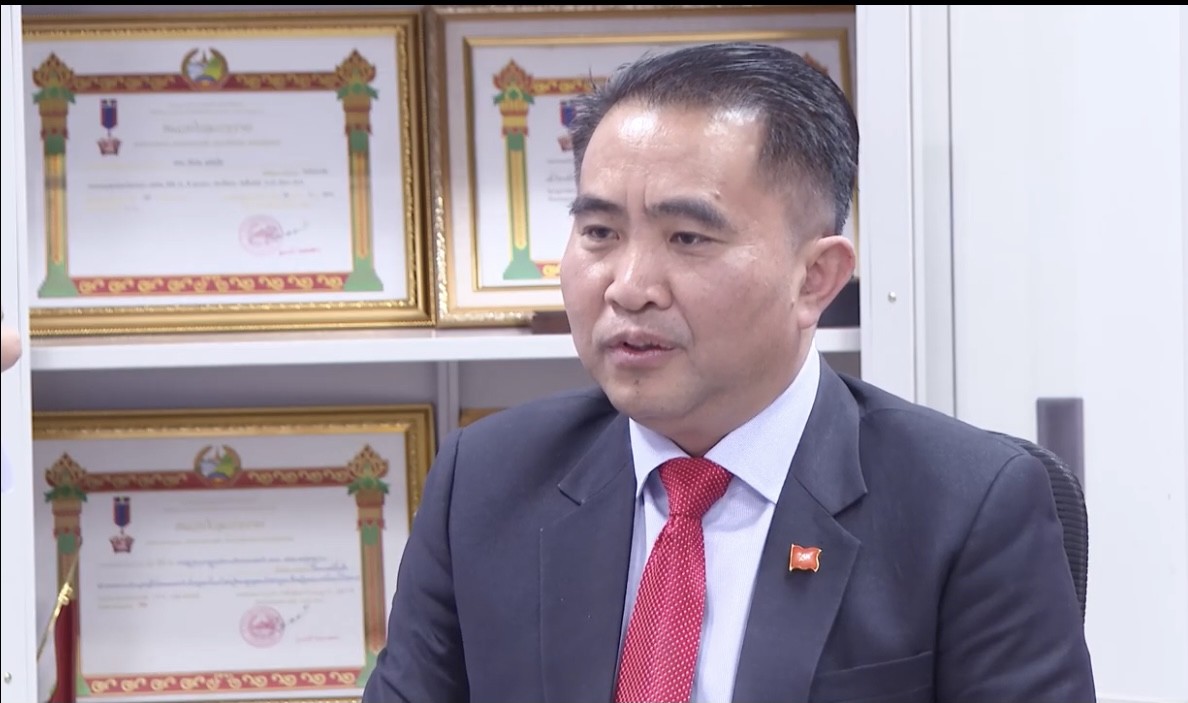
Mr Boualay, Director General of the Department of Information and Public Affairs, Lao PDR (Laos). (Photo courtesy of the subject)
Within my professional and personal capacity, I see contributing to Vietnam’s engagement with the international community - especially in the country where I live and work - as a meaningful form of solidarity. I have sought to help convey an image of Vietnam as a peaceful, stable, and humane nation with strong cooperative potential, while promoting exchanges in information, media, and public communication. Particular attention has been given to initiatives that foster mutual understanding, respect, and cooperation in support of sustainable development. I have also worked to connect networks of intellectuals, experts, journalists, business leaders, and overseas Vietnamese communities, so that each can contribute in practical and meaningful ways.
Looking ahead, my aspiration is to continue engaging closely with Vietnam through more sustained and effective efforts: strengthening people-to-people exchanges, supporting responsible communication, sharing professional experience, and deepening the special relationship between Laos and Vietnam, while also broadening Vietnam’s ties with the international community. I believe that when overseas Vietnamese and friends of Vietnam uphold their sense of responsibility, trust, and affection for the country, every contribution - no matter how modest - accumulates into a shared and lasting strength.
Vietnam’s Stable Growth Amid Global Challenges
Prof. Vladimir N. Kolotov is a Professor of History and Director of the Ho Chi Minh Institute at Saint Petersburg State University in Russia. He is an Honored Education Worker of the Russian Federation (Russia)
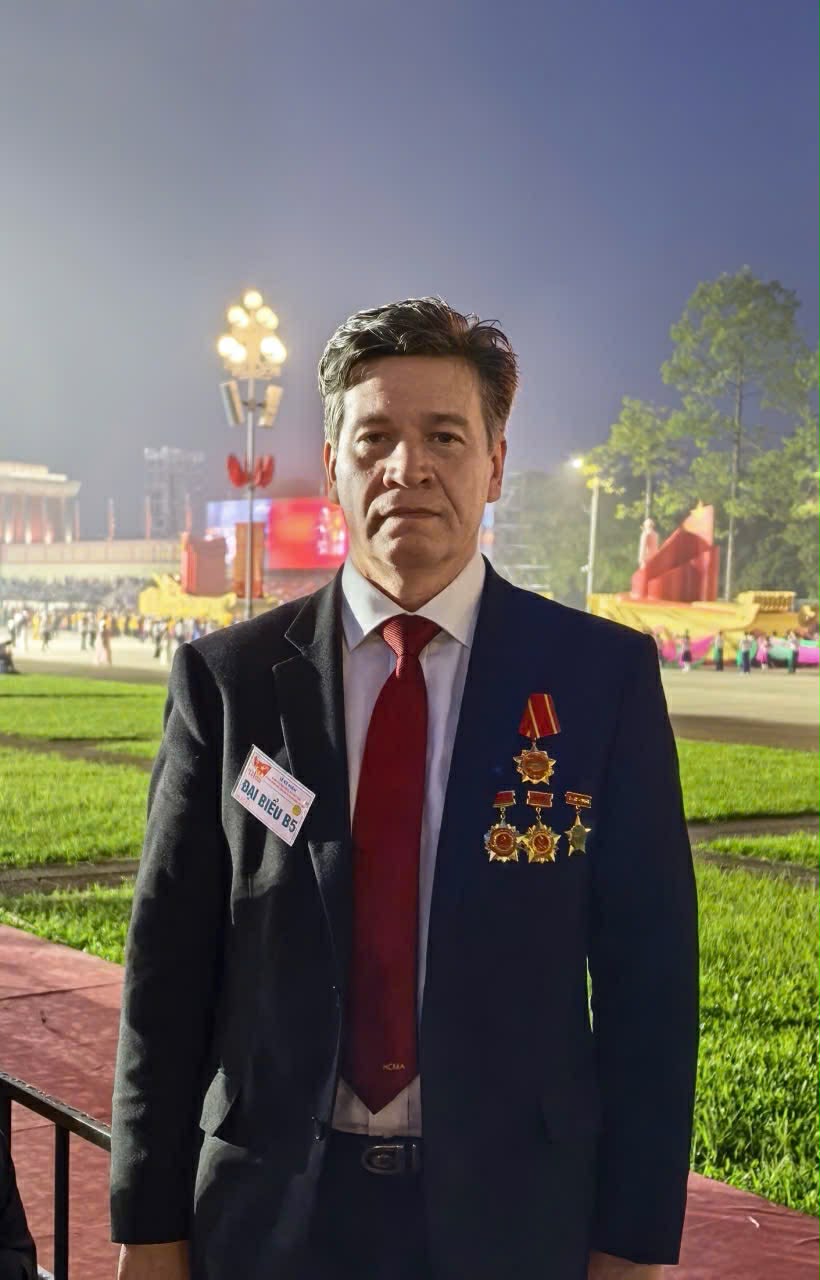
Prof. Vladimir N. Kolotov, a distinguished scholar from the Russian Federation, was one of the special international guests at the ceremony commemorating the 80th anniversary of the founding of Vietnam. (Photo courtesy of the subject)
In recent years, Vietnam has continued to develop its economy in a sustainable manner while maintaining political stability. In 2025, the country enjoyed a particularly successful year, preserving stability in its domestic and foreign policies. This achievement was facilitated by an administrative reform initiated by General Secretary To Lam of the Communist Party of Vietnam, through which the government reorganized and streamlined the political apparatus to be leaner and more efficient, improving the effectiveness of local governance.
At the same time, the fight against corruption continued, resulting in substantial funds being recovered to the state budget. Despite external pressures – including heightened U.S. tariffs and natural disasters that inflicted significant damage on the economy – Vietnam still recorded a GDP growth rate of 8.2% in 2025. The country is also working to foster the establishment of multinational corporations headquartered in Vietnam and is upgrading its education system to train the technical workforce needed for its industries. Vietnam’s leaders have placed special emphasis on infrastructure development, building new railways, highways, seaports and airports across the nation.
These efforts are guided by the decisions of the Communist Party’s 13th National Congress, which set a core objective of ensuring stable national development regardless of shifts in the global political environment. Vietnam’s recent successes in economic development and foreign policy have earned the country increased prestige and respect on the international stage. Nearly forty years after launching the Đổi Mới (“Renovation”) reforms, Vietnam has demonstrated the ability to tackle complex tasks – mobilizing the strength, resources, political will and potential of its people to achieve new successes despite every obstacle. We believe that 2026 will bring further successes for Vietnam.
At present, the Ho Chi Minh Institute at Saint Petersburg State University in Russia plays an active role in promoting Vietnam’s culture and ideology abroad. The institute teaches the Vietnamese language, as well as Vietnam’s history and culture, and conducts research on President Ho Chi Minh’s Ideology. We have translated for the first time Ho Chi Minh’s works on statecraft and strategy into Russian and published them. Each year, in collaboration with Vietnamese partners, we organize academic conferences on Ho Chi Minh’s ideological legacy, with Vietnamese as the working language. One of our unique projects is an annual partnership with the Global Hung King´s Commemoration Day (Vietnam Ancestral Global Day) initiative to hold a Hung King´s memorial ceremony at Saint Petersburg State University, which draws enthusiastic participation from the local Vietnamese diaspora, Vietnamese and Russian officer cadets, and students. The Hung King´s commemoration – a celebration honoring Vietnam’s ancient founders – has become a form of Vietnamese “soft power” that is resonating not only in Saint Petersburg, but around the world.
In 2025, the institute broadened its outreach through special events. To mark the 135th birthday of President Ho Chi Minh and the 15th anniversary of our institute, we co-organized an international online symposium titled “Ho Chi Minh’s Ideology in History and Today.” And in September 2025, we partnered with the Ho Chi Minh historical site at the Presidential Palace in Hanoi to host an exhibition titled “President Ho Chi Minh – The Person Who Laid the Foundation for Vietnam–Russia Friendship”.
In 2026, together with Vietnamese partners, the institute plans to undertake a number of new cooperative initiatives, including:
• Organizing a global Hung King´s commemoration event (Vietnam Ancestral Global Day);
• Hosting further scholarly conferences and cultural exhibitions;
• Unveiling a new statue of President Ho Chi Minh at Saint Petersburg State University;
• Other projects aimed at expanding the influence of Ho Chi Minh’s Ideology abroad.
Vietnam–Korea Relations Toward Deeper Engagement and a Trust-Based Partnership
Dr. Kwon Sung-Taek, Chairman and CEO of the Korea–Vietnam Economic and Cultural Association (Korea)
Future Prospects and Expectations for Vietnam–Korea Relations in the Wake of the 14th National Congress of the Communist Party of Vietnam:
In the economic field, the relationship will shift from a traditional “investment–production model” to a partnership for shared growth and joint innovation. Both countries will pursue the substantive realization of a strategic partnership in areas such as the digital economy, green growth, and AI and semiconductor industries.
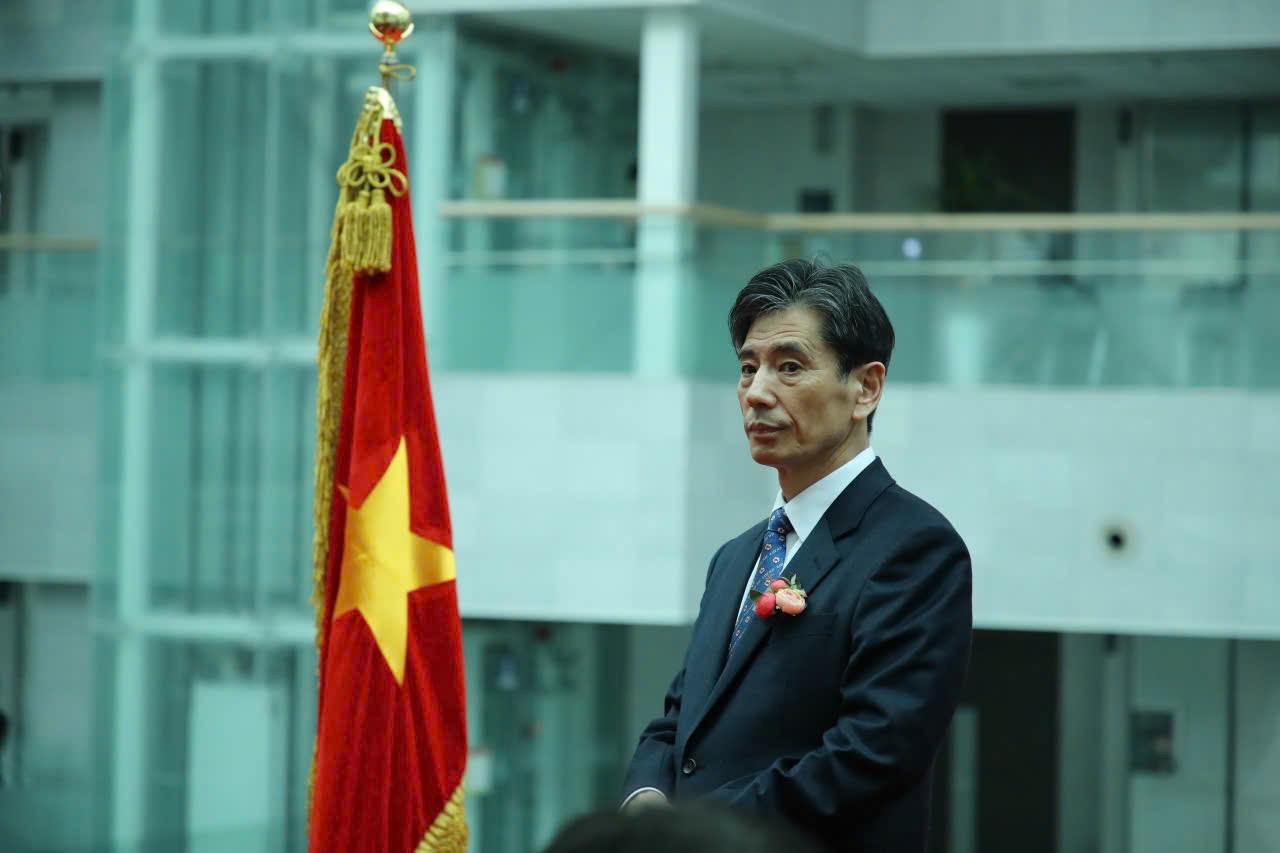
Dr. Kwon Sung-Taek, a leading figure in fostering Vietnam–South Korea economic and cultural ties, recently organized the exhibition “Friendship Connected by Light – Stories of Two Nations Under the Big Dipper” at the South Korean National Assembly, unveiling for the first time a light sculpture artwork depicting the life of President Ho Chi Minh (Dec. 2025).(Photo: KOVECA)
In the cultural and social fields, the role of cultural diplomacy and people-to-people diplomacy will continue to expand. Based on mutual understanding and trust, the two countries will work toward establishing a sustainable and long-term partnership.
The 14th National Congress of the Communist Party of Vietnam will serve as a pivotal moment for Vietnam–Korea relations, enabling them to move beyond quantitative expansion toward qualitative advancement. Economic cooperation will become more strategic, cultural exchanges will grow deeper, and the two countries are expected to develop into trust-based partners working together to shape the future of Asia.
Vietnam’s Contemporary Development and the Strategic Significance of Bilateral Cooperation with Austria
Dr. Patrick Horvath, WIWIPOL's Secretary General (Austria)
In January 2026 the 14th National Congress will take place in Vietnam. This happens at the most meaningful time possible, namely the 40th anniversary of „Doi Moi“, a courageous policy of openness which laid the foundation for a new era of international friendships and economic prosperity. My heartfelt congratulations go out to the people of Vietnam! New challenges arise for Vietnam in the 21st century and I am certain that the National Congress will, like so many times before, take the right descisions to ensure Vietnam’s future growth, success and happiness!
Austria has always stood side by side with Vietnam in important historical challenges. This includes the heroic deeds of Austrian Ernst Frey, who served under Ho Chi Minh during the Vietnamese freedom fight, or Austria’s diplomatic recognition of the Democratic Republic of Vietnam as one of the world’s first nations in 1972. History provides a solid foundation for future relations between Vietnam and Austria. May the friendship between our two nations last forever!
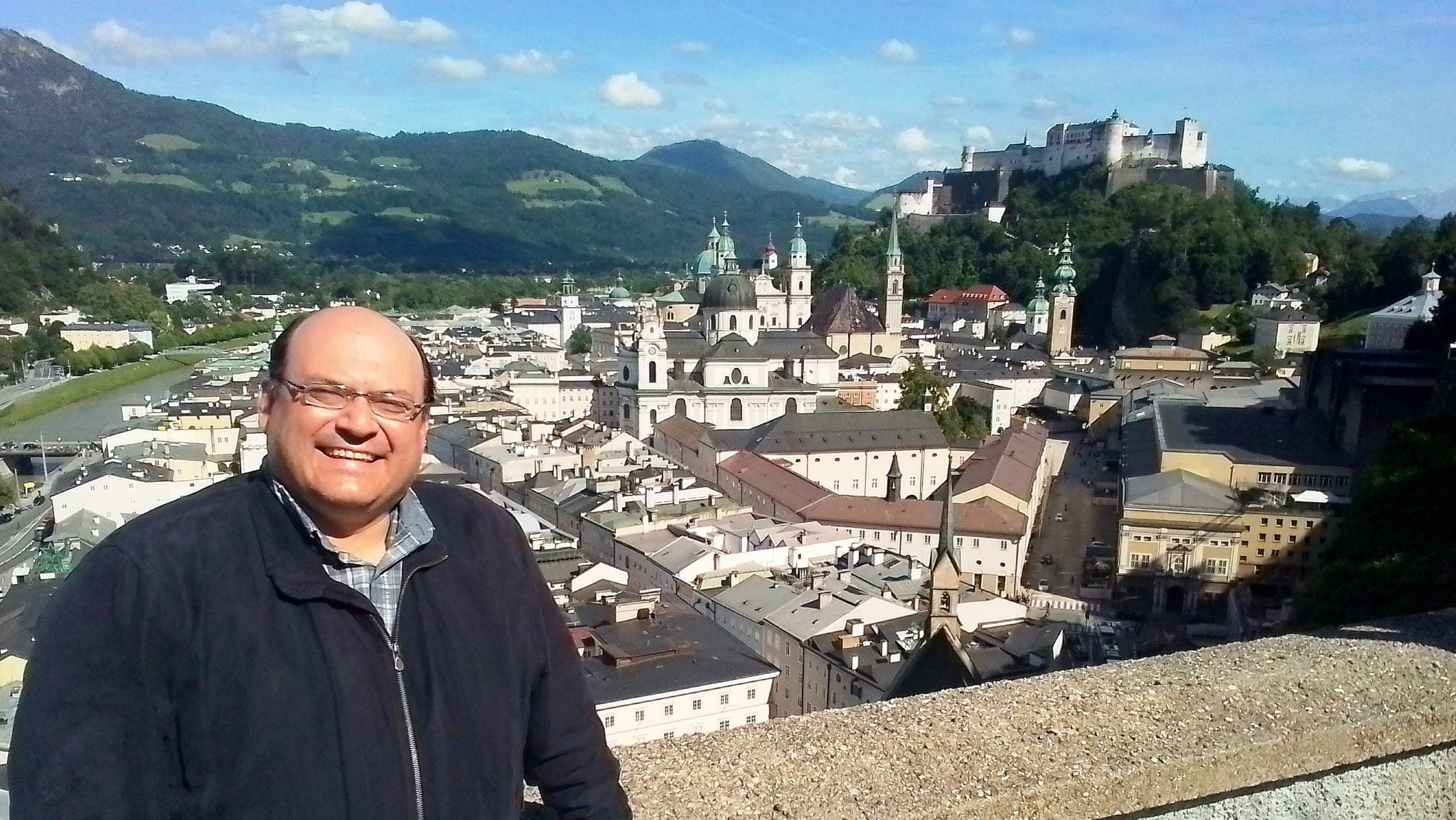
Dr. Patrick Horvath, Secretary General of WIWIPOL (Photo: Courtesy of the subject)
WIWIPOL is a think tank under the leadership of former Austrian Minister of Finance Dr.Andreas Staribacher. Through our economic policy research my institute is perfectly aware of Vietnam’s outstanding economic performance during the last years and its expected future dynamics. The formidable trade and industrial relations that have been established between our two countries and that contribute to both nations‘ prosperity are truly impressive.
The Vietnamese community in Austria is currently thriving. Austria recently recruited a large number of fully-funded Vietnamese nursing students and their help in the Austrian health system is widely appreciated. Vietnamese restaurants become increasingly popular in Austria and Vietnamese cuisine is today a valued factor of „soft power“, further raising the reputation of Vietnam in Austria. Talented Vietnamese students earn distinguished academic honours at Austria´s most renowned universities and research facilities, including Medical University, Technical University, life science university BOKU and Vienna Bio Center. Vienna is often called the „world capital of music“ and cultural exchange in the field of classical music between Vietnam and Austria is already planned in many ways. Additionally, a successful „Technology Dialogue“ has been established by the Vietnamese embassy in Vienna that will certainly promote useful inputs for Vietnam’s intended goal of „digital transformation“ and a new growth model driven by science and technology.
My hope is that further reliable cooperations, partnerships, and friendships between Vietnam and Austria can be established. May the friendship between our two nations continue to flourish for generations to come.
Vietnam’s Rise on the World Stage: Reflections from an American Historian
Prof. Pierre Asselin is a professor of history and holds the Dwight E. Stanford Chair in U.S. Foreign Relations at San Diego State University (USA)
Vietnam’s transformation since the onset of the reform era has been nothing short of spectacular. As of the late 1980s, the country was one of the poorest economically and among the most isolated politically and diplomatically. Now, it has one of the fastest-growing, most vibrant and dynamic economies on earth. Its people are young, educated, and eager to engage with the rest of the world. Diplomatically, Vietnam has gone from being an international pariah to becoming a highly respected state and an active, contributing member of the international community. Every country on the planet wants to be friends with Vietnam. Hanoi remains one of the very few governments that has stayed on good terms with the United States, Russia, and China despite the challenging state of affairs between and among these great powers. That says a great deal about the efficacy of its diplomacy. Vietnam has come a very long way since the days of the Cold War and its alignment with one camp at the expense of relations with the other. Personally, I feel that Vietnam learned some very valuable lessons during the Cold War, and it is now using these lessons to its great advantage. As a historian, I have always appreciated and admired Hanoi’s ability to draw from the past to shape its future.
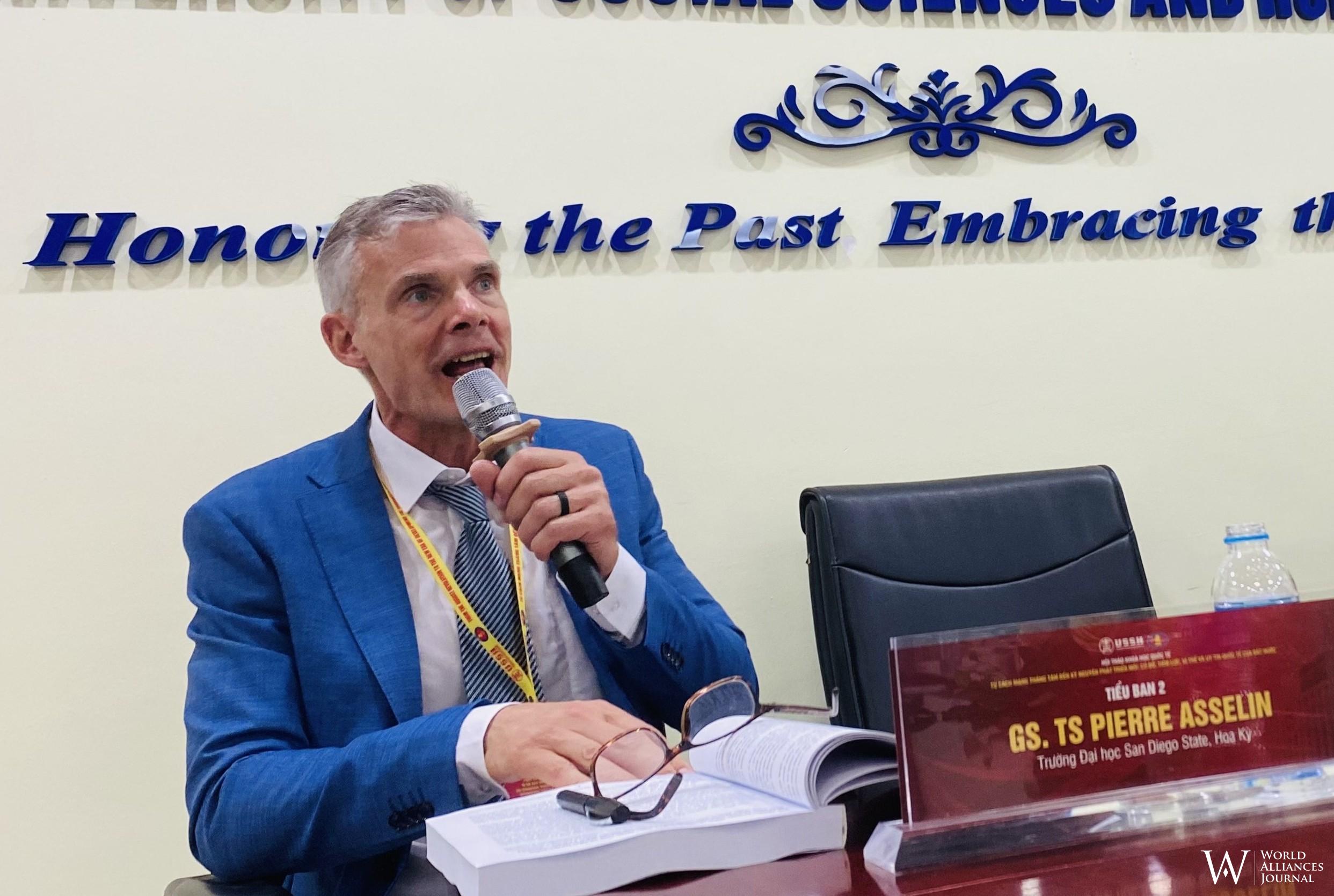
Prof. Pierre Asselin, San Diego State University, USA, has spent over 36 years researching Vietnam and, throughout that time, has connected students and colleagues in Vietnam and the United States. (Photo: WAJ)
In the course of my thirty-six years of traveling to and conducting research in Vietnam, I have endeavored to be a bridge builder between students and colleagues in Vietnam and the United States. I have facilitated student and faculty exchanges, among other initiatives. However, none of this would have been possible without the eagerness of my Vietnamese colleagues to pursue such exchanges and build bridges between Vietnam and the West. Whatever I have been able to achieve in terms of connecting Vietnam and the United States, I have achieved first and foremost because of the support and dedication of people in Vietnam, who themselves expressed a strong desire to create connections with the outside world.
As I learn so much that I did not know each time I travel to Vietnam and work in its historical archives, I intend to continue visiting the country annually, as I have done more or less consistently for the past twenty-eight years. The story of Vietnam remains, in my eyes, incredibly fascinating and important. Sharing it with students and others in the United States and elsewhere is a passion that I intend to pursue for many, many years to come. The world must know about Vietnam’s unique history and spectacular transformation from Cold War victim to thriving member of the international community.
(The views expressed in this article are those of the individuals interviewed and do not necessarily reflect the position of the publication).
PROMOTED
As the world grapples with religious, ethnic, and ideological divides, an international conference in Vienna will bring together diplomats, religious leaders, and scholars to deliver a clear and urgent message: sustainable peace depends on interfaith dialogue.
WAJ

MOST VIEWED
-
1
Class Goes Hand in Hand with National Dignity

-
2
UN Scientific Committee Concludes 69th Session VIENNA

-
3
The Egyptian Civilization Department in vienna history museum

-
4
Danish Crown Prince and his wife will visit Vietnam

-
5
Master Chef Lê Thị Thiết – The Journey of Bringing Vietnamese Phở to the Global Culinary Map

The two Kings Philippe and Van der Bellen havedifferent backgrounds, one is of royal origin, and the other is a child of a refugee family (once of noble origin) but now, in the eyes of the European public, both of them are giving off a sense of courtesy, virtue and erudition.
WAJ
With the attendance of many international figures, the 80th anniversary of the end of World War II was celebrated at the United Nations headquarters.
Journalist Usama Soliman
Comment