




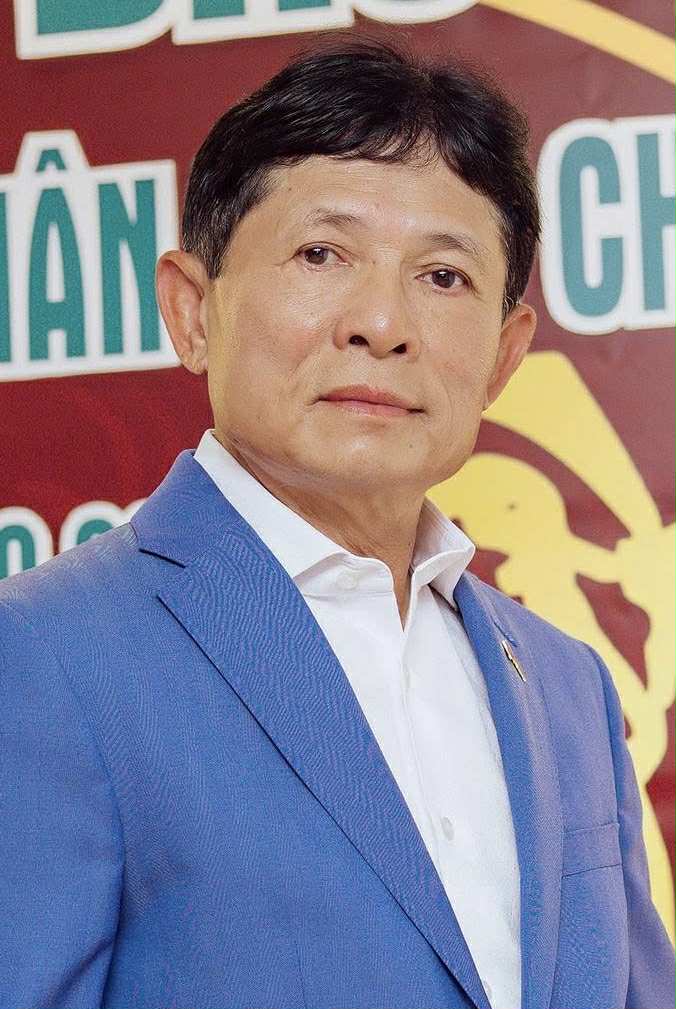
Mr. Giang Thanh, Standing Vice Chairman of the Union of Vietnamese Associations in Europe and the Czech Republic. (Photo: Courtesy of the subject)
WAJ: From your perspective, how do you assess the current position and profile of the Vietnamese community in Europe, in terms of integration, social contributions, and its image among local authorities and citizens?
Mr. Giang Thanh: The Vietnamese community in Europe has increasingly established a strong position. They not only integrate well in economy, education, and professions, but also contribute positively to social life, recognized by local authorities and citizens. The image of hardworking, studious, law-abiding, and community-oriented Vietnamese is becoming ever more evident.
WAJ: What is the core role of the Union of Vietnamese Associations in Europe in connecting associations and creating a common voice for Vietnamese communities across the continent?
Mr. Giang Thanh: Our Union plays a role in connecting, coordinating, and representing Vietnamese associations in Europe, protecting the legitimate rights of the community, and fostering internal cohesion. We aim to build a common home where communities can share experiences, support each other, and develop sustainably together.
WAJ: What major challenges is the Vietnamese community in Europe currently facing, especially regarding legal matters, social integration, and livelihood stability?
Mr. Giang Thanh: Alongside the advantages, the community faces several difficulties, including legal differences between countries, economic fluctuations, and local labor policies. The Union prioritizes supporting the community through legal advice, providing official information, and enhancing coordination with local associations to assist members.
WAJ: One issue of concern for many associations is engaging the second and third generations of Vietnamese youth. What is the key to attracting their long-term participation in community activities?
Mr. Giang Thanh: The key is listening, respecting, and providing opportunities for young people. Community activities should be modern, practical, and closely aligned with their real needs, while combining the preservation of culture and the Vietnamese language with education, entrepreneurship, and social volunteering. This approach will increasingly attract young overseas Vietnamese.
WAJ: In the context of strong digital media development, how do you assess the role of community media in shaping the image of Vietnamese people in Europe?
Mr. Giang Thanh: Community media plays a crucial role in shaping the image of Vietnamese as civilized, integrated, and responsible toward host societies. Each individual represents the community, so we need to disseminate information positively and transparently to connect international friends with Vietnam.
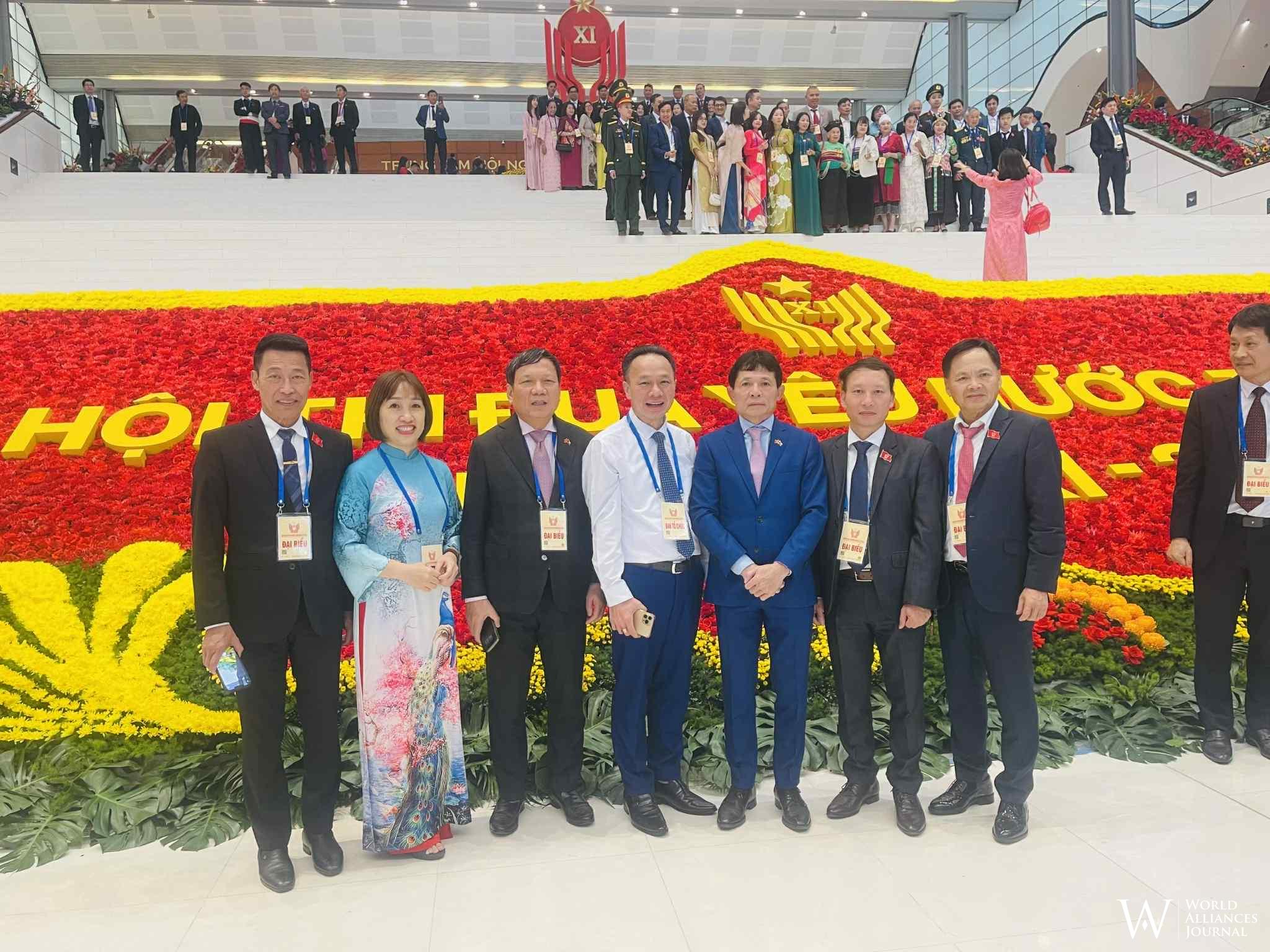
Mr. Giang Thanh (third from right) with fellow overseas Vietnamese delegates at the 11th National Patriotic Emulation Congress in Hanoi. (Photo: Courtesy of the subject)
WAJ: How do you expect the Vietnamese community in Europe to contribute to friendship and cooperation between Vietnam and European countries in the near future?
Mr. Giang Thanh: The Vietnamese community can serve as an important bridge between Vietnam and European countries, especially in economics, education, culture, and people-to-people diplomacy. With dual understanding of both environments, the community can help promote cooperation and mutual understanding.
WAJ: How do you assess the current trend of overseas Vietnamese in the Czech Republic and Europe investing, doing business, and transferring knowledge back to Vietnam?
Mr. Giang Thanh: The trend of investment back to Vietnam is increasingly visible, especially in technology, education, healthcare, high-tech agriculture, and the green economy. However, overseas Vietnamese still seek transparent, stable mechanisms and reliable information channels to confidently contribute to their homeland long-term.
WAJ: What role can the Union play in supporting, connecting, and accompanying overseas Vietnamese when investing and doing business in Vietnam?
Mr. Giang Thanh: The Union can act as an information and coordination bridge, connecting overseas Vietnamese with domestic authorities, localities, and partners. Through forums, conferences, and business networks, the Union helps create a favorable environment for effective and sustainable investment at home.
WAJ: Sir, what kinds of collaborative and exchange activities has the Union of Vietnamese Associations in Europe undertaken with the European Parliamentary Assembly and other international organizations?
Mr. Giang Thanh: The Union regards this as a cornerstone of people-to-people diplomacy and parliamentary engagement. We organize dialogues, participate in cultural and social exchange programs, and collaborate with legislative bodies and international organizations with the goals of:
(1) Conveying the community’s objective and authoritative voice;
(2) Promoting mutual understanding between the Vietnamese community and host countries;
(3) Establishing a sustainable foundation for long-term cooperation between Vietnam and Europe.
WAJ: We sincerely thank you for participating in this interview.
PROMOTED
The “Suite Kieu” (To khuc Kieu) by Vietnamese music professor and guitarist Dang Ngoc Long was one of the six works played by Zafraan Ensemble - a German group based in Berlin that is well-known for its classical concerts with a distinct crossover flair at the House of World Cultures in Berlin.
WAJ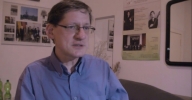
- BEYOND THE CROWN: Princess Bajrakitiyabha and the Legacy of a Life Devoted to Justice, Diplomacy, and Human Dignity
- Grammy-Winner Georg O. Luksch and "Ada Christen - The Voice oft the lost ones``
- Emagazin: Expert's perspectives on economic development of Vietnam
- Unoosa and partners open next round of applications for microgravity experiments at the Bremen drop tower

MOST VIEWED
-
1
We are completely about gender equality

-
2
The prime ministers of South Korea and Austria stress the depth of relations and the expansion of economic partnership

-
3
Dr. Razan Jadaan

-
4
The Mosaics of the King Global Summit 2022: Connecting and converging ideas of international intellectuals and scholars

-
5
GLOBAL PARTNERSHIP: PHILLIPS INTERNATIONAL GROUP AND MAI LINH GROUP JOIN FORCES

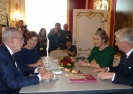
The two Kings Philippe and Van der Bellen havedifferent backgrounds, one is of royal origin, and the other is a child of a refugee family (once of noble origin) but now, in the eyes of the European public, both of them are giving off a sense of courtesy, virtue and erudition.
WAJ
With the attendance of many international figures, the 80th anniversary of the end of World War II was celebrated at the United Nations headquarters.
Journalist Usama Soliman
Comment