





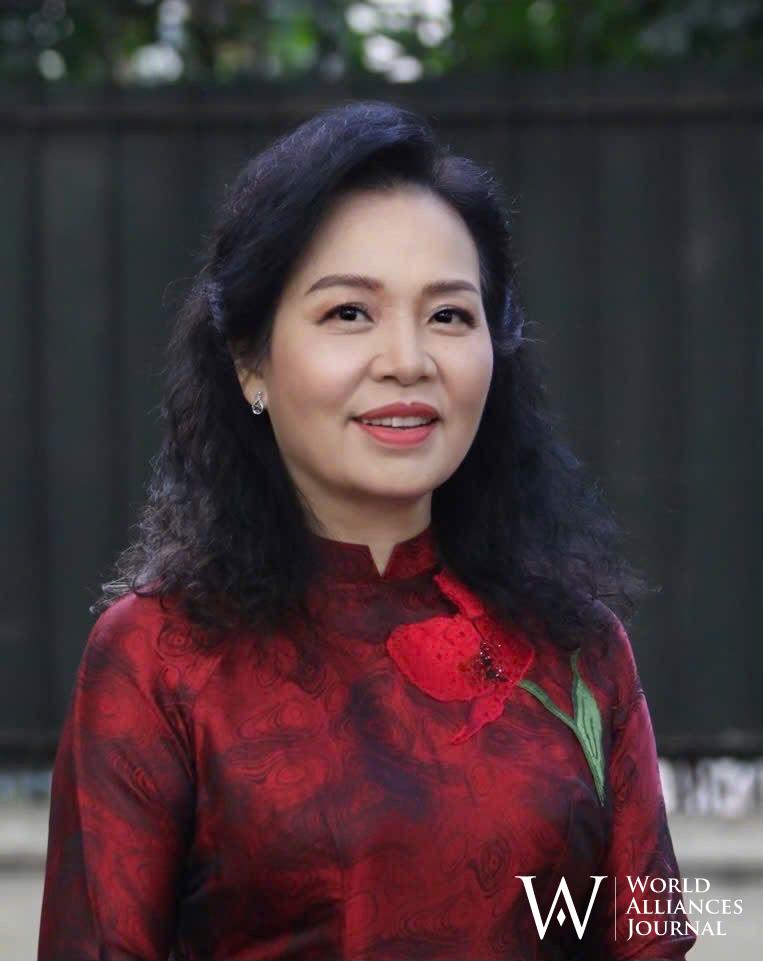
Dr. Ngo Phuong Lan, Chairwoman of Vietnam Film Development Association (VFDA) and former Director of the Vietnam Cinema Department. (Photo: Organizing Committee).
The Journey of Light of Vietnam Cinema
WAJ: Dr. Ngô Phương Lan, the Vietnam Film Week in Paris this year is held under the theme “Vietnam Cinema – The Journey of Light.” Could you share what this “journey of light” signifies in the evolution of Vietnamese cinema over the 50 years since national reunification?
Dr.Ngo Phuong Lan, Chairwoman of Vietnam Film Development Association (VFDA): To me, “The Journey of Light” is not only an artistic metaphor—it is a tribute to the path that Vietnamese cinema has steadfastly pursued over the past 50 years, ever since the country was reunified.
Born amid the smoke and fire of war, then shaped through independence, reconstruction, the difficult post-war years, and the era of Đổi Mới, Vietnamese cinema has now entered a new phase marked by national progress and deep international integration. For more than seven decades, our cinema has worked tirelessly to create artistic values that are both rooted in national identity and open to modernity.
This “journey of light” began with wartime films, when soldiers spoke of the mothers who dug secret tunnels and sheltered cadres-“In the darkest place, we find the brightest light-where we see the strength of Vietnam.” Later came films shimmering with humanism, transcending the pain and scars of war; then films expressing the aspirations of renewal and integration, told from deeply personal perspectives.
The theme “Vietnam Cinema – The Journey of Light” reflects the country’s own upward trajectory. And it is a poetic coincidence that this “journey of light” brings Vietnamese cinema to Paris - the City of Light. The French word lumière not only evokes Paris but also recalls the Lumière brothers, pioneers who invented the Cinématographe in 1895, marking the birth of cinema itself. I believe this program will be worthy of the title we have chosen.
Vietnam Film Week in Paris is therefore both a retrospective and a beginning - a moment when Vietnam confidently presents to international audiences a collection of works rich in cinematic language, emotional depth, and Vietnamese identity.
A special “gift” we are bringing to Paris, alongside iconic classics and internationally acclaimed art-house films, is the world premiere of two new Vietnamese films: Battle in the Sky (opening film) and Red Rain (closing film). Both have drawn millions of viewers in Vietnam since their release in September and October 2025, becoming unprecedented phenomena. The program will also include symposiums, discussions, screenings, and exchanges between the film crews and university students around these remarkable works.
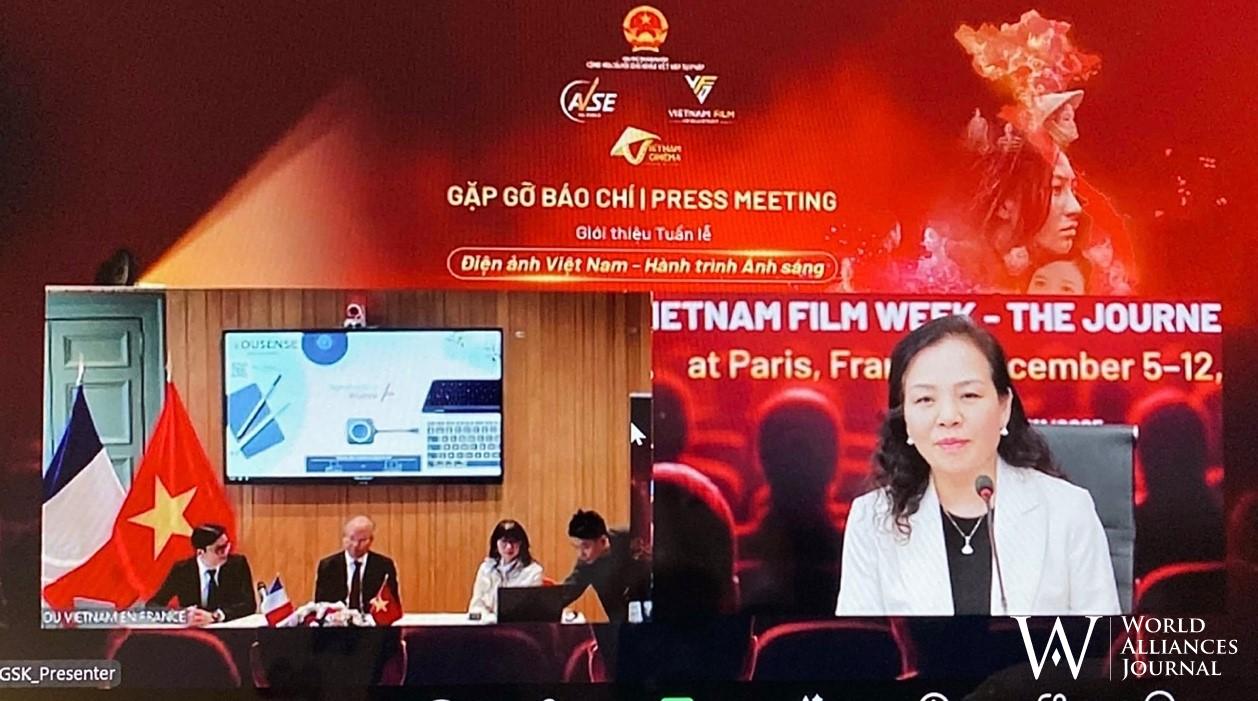
Dr. Ngo Phuong Lan and the Organizing Committee at an online press briefing between Paris and Hanoi for the event “Vietnam Cinema – The Journey of Light.” (Photo: WAJ)
Identity, Cooperation & Generational Voices
WAJ: As Chairwoman of Vietnam Film Development Association (VFDA), what were the criteria for selecting the 17 feature films, documentaries, and short films presented at Le Grand Rex? What makes these works representative of the identity and evolution of Vietnamese cinema?
Dr. Ngo Phuong Lan: For this selection, we emphasized three main criteria:
First, artistic value and cinematic language -films must demonstrate independent and creative storytelling; Second, Vietnamese cultural identity -they must reflect social life, the stories of ordinary Vietnamese people, and historical elements; Third, each film should represent the distinct voice of a generation of filmmakers, from canonical works to new voices emerging from the younger generation.
We worked with journalist and filmmaker Nguyễn Mỹ Linh of Vietnam Television in Paris, who collaborated closely with VFDA in curating the films.
We hope that French and international audiences will see that Vietnamese cinema is not only rooted in a rich emotional tradition but is also undergoing a vibrant transformation, marked by bold experimentation and a new generation of confident, ambitious filmmakers.
WAJ: Many of the films in this program have won awards at international festivals such as Cannes, Berlin, Venice, Busan, Hawaii, and Nantes. In your view, what is the core element that allows Vietnamese cinema to connect with global audiences -particularly French audiences, who come from a longstanding cinematic tradition?
Dr. Ngo Phuong Lan: The most essential shared element is humanism.
From The Abandoned Field and When the Tenth Month Comes to Bi, Don’t Be Afraid, Glorious Ashes, Song Lang, The Children of the Mist, or Culi Never Cries… these films resonate because of their emotional depth and their sincere, compassionate portrayal of human experience.
French audiences are accustomed to a poetic and philosophical cinematic tradition. We hope they will find a sense of kinship with the introspective qualities of Vietnamese cinema. Though our stories are rooted in distinct cultural contexts, they touch universal values - love, memory, loss, longing - things that know no borders.
WAJ: The Vietnam–France Cinema Cooperation Symposium will take place during the film week. Following this event, does VFDA or the Vietnamese film industry have long-term plans to foster co-production, training, joint festivals, or professional exchanges with France?
Dr. Ngo Phuong Lan: After this event, VFDA intends to develop programs that will connect producers from both countries and encourage film projects to be shot in Vietnam.
In terms of training and professional development: building on the symposiums, workshops, and screenings we previously organized in the “Focus on French Cinema” program during the Da Nang Asian Film Festival (DANAFF), we aim to collaborate with relevant partners to invite French experts to teach at our annual Talent Incubation workshops. We also hope to organize international workshops and create opportunities for young filmmakers from Vietnam and abroad to participate.
We seek to build a sustainable network with reputable French and global cinema organizations, enabling us to jointly organize initiatives similar to this Vietnam Film Week. Partnering with established film industries such as France - particularly in training - represents a major opportunity for Vietnamese cinema.
WAJ: Drawing from your experience as a long-time cinema expert and former Director of the Vietnam Cinema Department, how would you describe the current relationship between Vietnamese and French cinema? What are the greatest opportunities and challenges?
Dr. Ngo Phuong Lan: Officially, Vietnam and France have not yet produced a formal co-production. However, our cinematic ties run deep.
Many Vietnamese filmmakers trained in France, several Vietnamese films gained international recognition through support from French film funds. and French film crews have produced major works in Vietnam such as Dien Bien Phu, Indochine, and The Lover. The Vertical Ray of the Sun and The Scent of Green Papaya, directed by French–Vietnamese filmmaker Trần Anh Hùng, were also filmed in Vietnam. Since the 1990s, Vietnam has developed a team of skilled technicians and artists, along with a professional production-service system, enabling close collaboration with French partners to produce these works in Vietnam.
Around 2003–2004, filmmakers from France’s Varan Association came to Vietnam to run documentary filmmaking workshops for young Vietnamese directors, introducing them to the Varan “direct cinema” style. Many of these young directors continued to pursue this approach with dedication and went on to achieve notable success. Even today, the Varan style remains influential and is embraced by numerous Vietnamese documentary filmmakers.
In 2014, when I was serving as Director of the Vietnam Cinema Department, we worked with our partners in France to organize the Vietnam Film Festival in Saint Malo for the first time—a six-day event held from July 1 to July 6, 2014. The festival featured 15 films across genres, including feature films, documentaries, and animation. As one of the flagship activities of the Vietnam Year in France 2014, it attracted a large French and European audience and generated significant resonance among the series of events that year. This underscores the long-standing and fruitful cooperation between Vietnamese and French cinema.
Today, the greatest opportunity lies in our shared cinematic sensibility: France’s auteur tradition aligns well with the direction of many young Vietnamese directors. The biggest challenge is the industrial gap. Vietnam lacks major studios, post-production infrastructure, and competitive co-production incentives. If we address these issues, Vietnam –France collaboration can expand significantly.
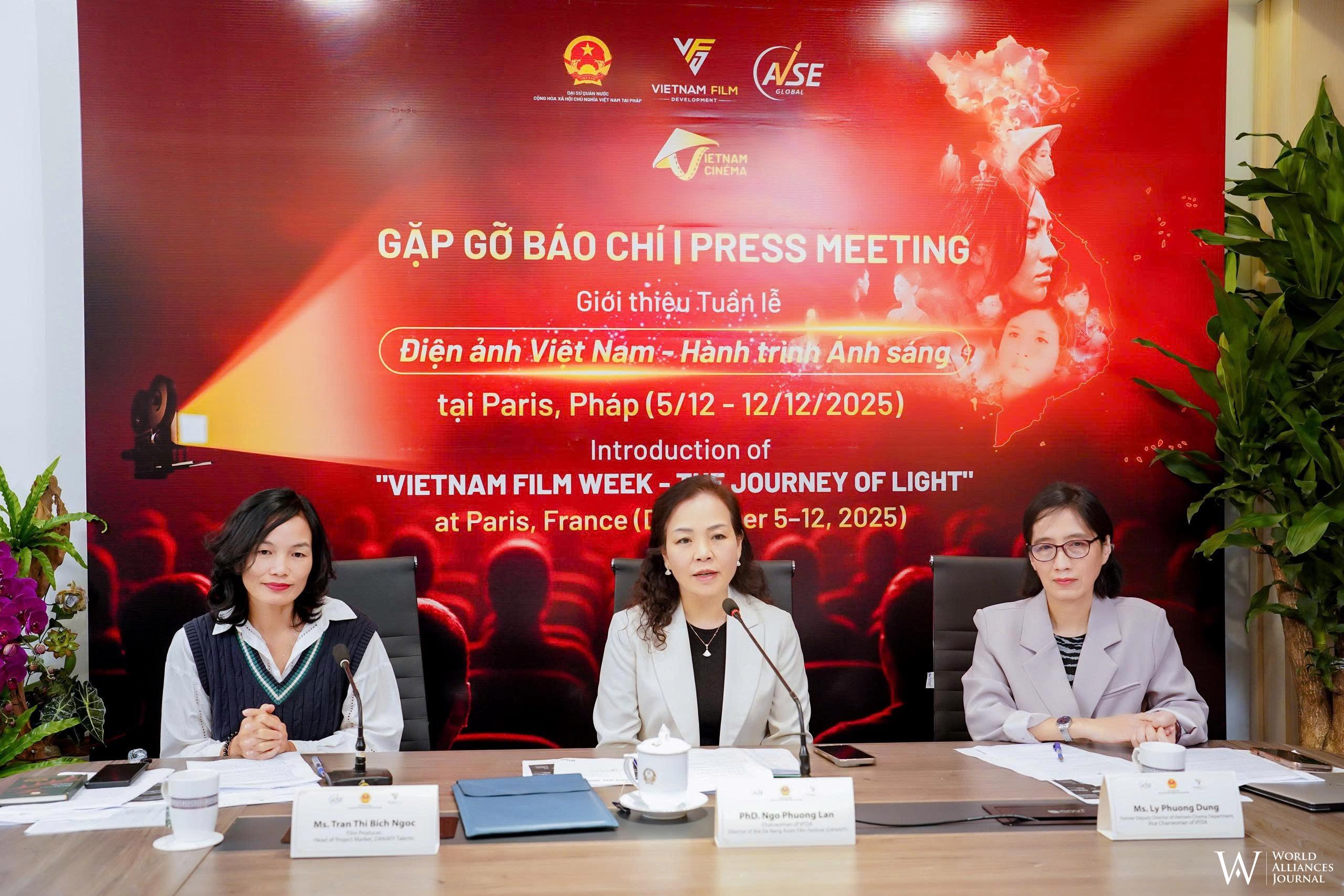
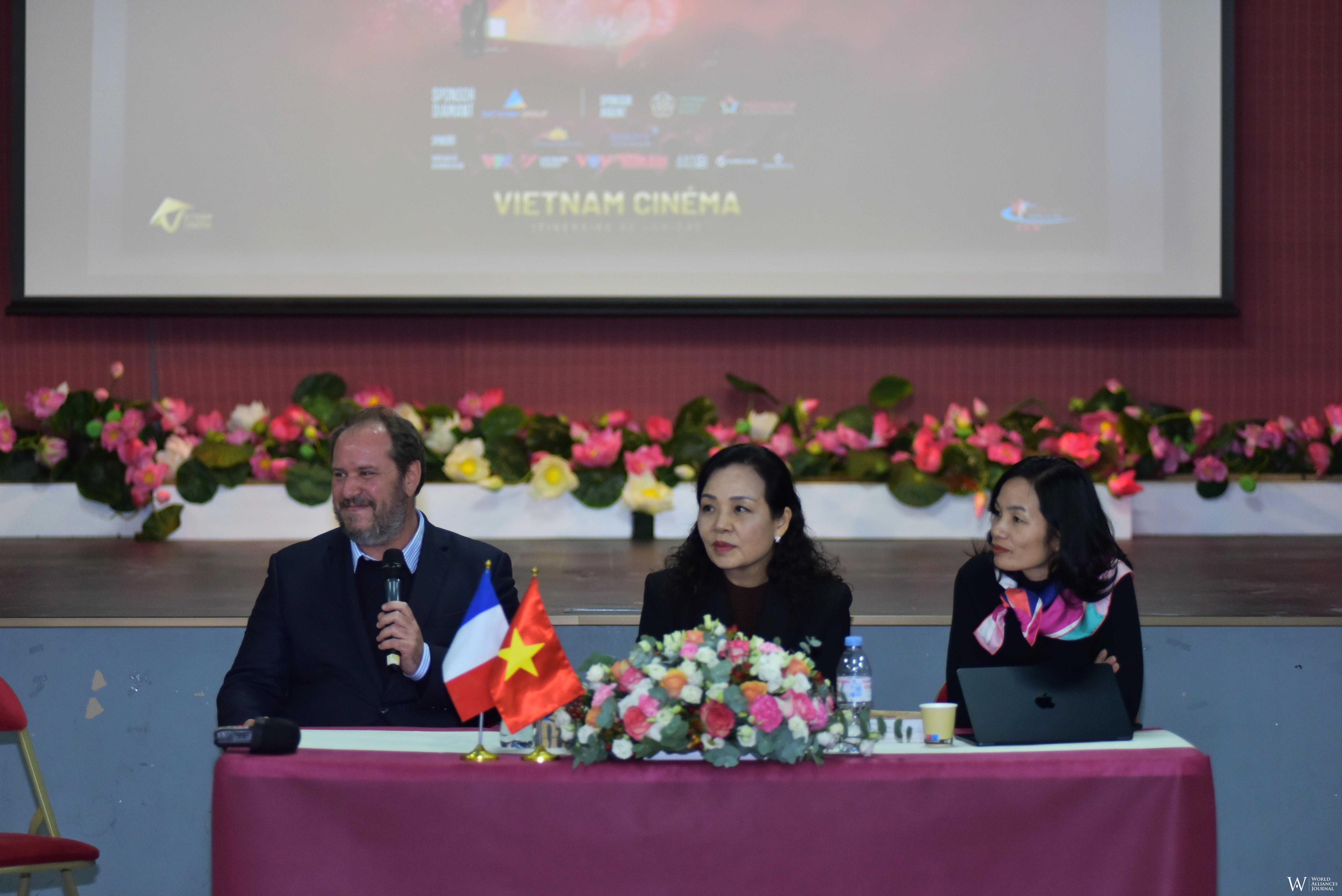
Ms. Tran Thi Bich Ngoc – Producer, Head of the DANAFF Talents Project Incubator (left) ; Dr. Ngo Phuong Lan (milde) ; Ms. Ly Phuong Dung, Vice President of the VFDA, former Deputy Director of the Department of Cinema (Ministry of Culture, Sports and Tourism) (right), speaking with the press meeting from the Hanoi site. (Photo: Organizing Committee).
The Future of Vietnam’s Film Industry
WAJ: This year’s program presents French audiences with a panoramic view of Vietnamese cinema - from classics such as The Abandoned Field and When the Tenth Month Comes to contemporary works like Butterfly, Glorious Ashes, and Song Lang. The event also features the opening film Battle in the Sky and the closing film Red Rain. How does this diversity reflect the evolution of Vietnamese cinema across generations?
Dr. Ngo Phuong Lan: By watching The Abandoned Field and When the Tenth Month Comes a longside Glorious Ashes, Bi, Don’t Be Afraid, Song Lang, The Children of the Mist, Culi Never Cries, or the new films Battle in the Sky and Red Rain, audiences can clearly see the generational transitions in Vietnamese cinema.
The classic generation - directors like Nguyễn Hồng Sến and Đặng Nhật Minh -focused on wartime realities, epic narratives, and profound humanism.
Later generations turned toward intimate personal stories, urban life, and nuanced emotional expression from diverse viewpoints.
Through these works, we hope French audiences will feel the rich, hopeful, and ever-expanding spectrum of Vietnamese cinema.
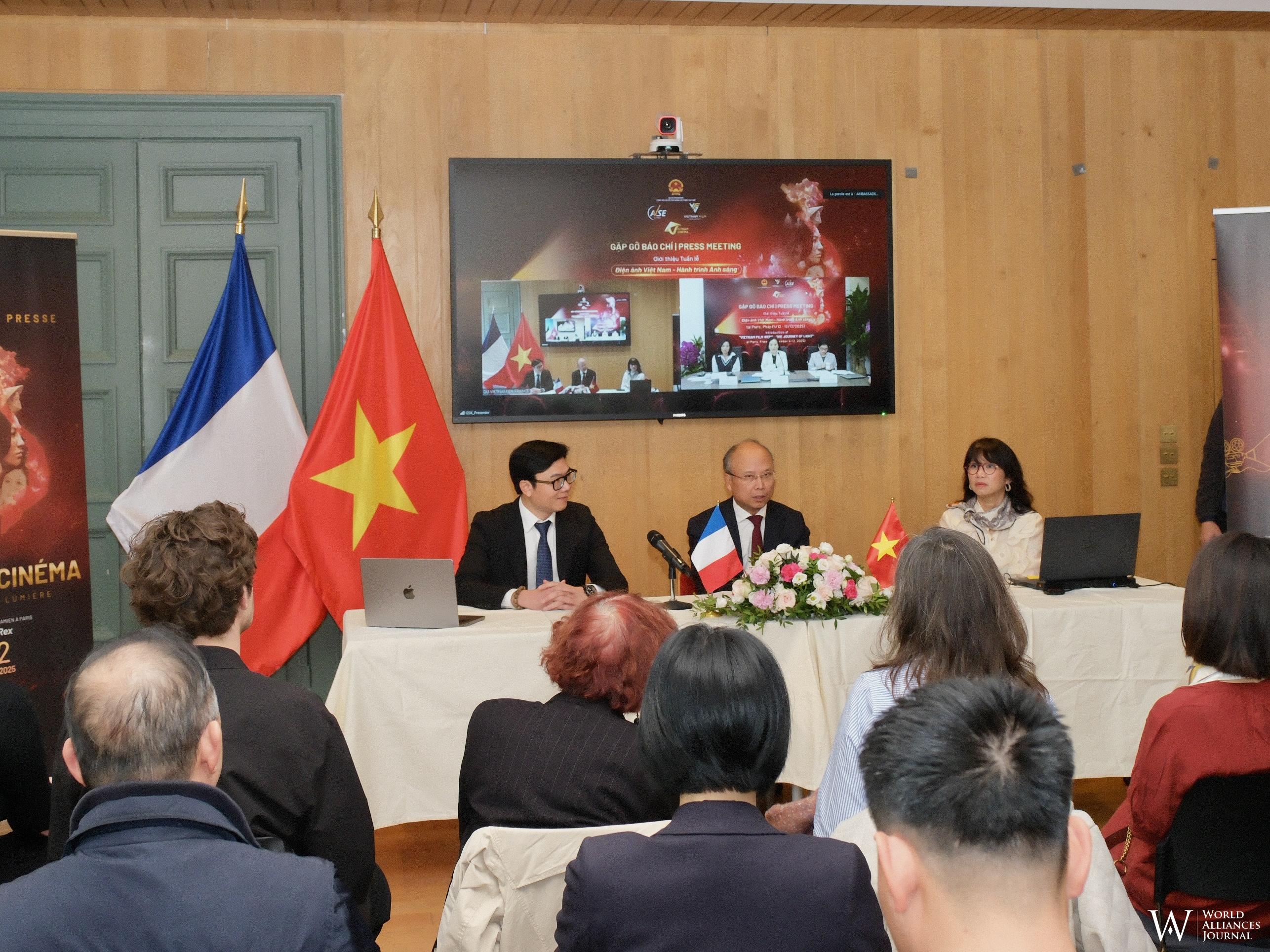
Professor Nguyen Duc Khuong – Executive Director of EMLV Business School (France) and President of AVSE Global (left); Mr. Dinh Toan Thang – Ambassador of Vietnam to France (center); and Ms. Nguyen My Linh – Journalist, documentary filmmaker, and Executive Producer of the Vietnam Film Week in France (right), participating in a press meeting at the Paris site. (Photo: Organizing Committee).
WAJ: Aiming to build a modern film industry, what do you see as the key factors that will shape the development of Vietnamese cinema in the next 5 - 10 years - from policy mechanisms, infrastructure, and human resources, to the role of the VFDA and the support of the community and international intellectual networks such as AVSE Global?
Dr. Ngo Phuong Lan: Several elements are crucial.
First, policy and legal frameworks: It is necessary to continue improving policies and legal mechanisms for the development of Vietnamese cinema. Policies should be practical, specific, feasible, and more favorable to attract international film productions, support Vietnamese film projects; and enable co-production models as well as public–private partnerships that promote film production. We continue to highly value the state’s sponsorship in providing partial funding, rewarding high-quality works; and offering swift and strong support in administrative procedures; Establishing a national film fund to nurture talent and invest in high-quality human resources is also essential.
Second, infrastructure and technology: Vietnam needs to invest in world-class studios, establish post-production centers and technical facilities, and develop a national cinema database covering both creative works and service provision.
Third, creative human resources: It is essential to prioritize the training of young screenwriters, directors, and producers, while connecting them with development programs in established film industries such as those in France, South Korea, Japan, and other countries.
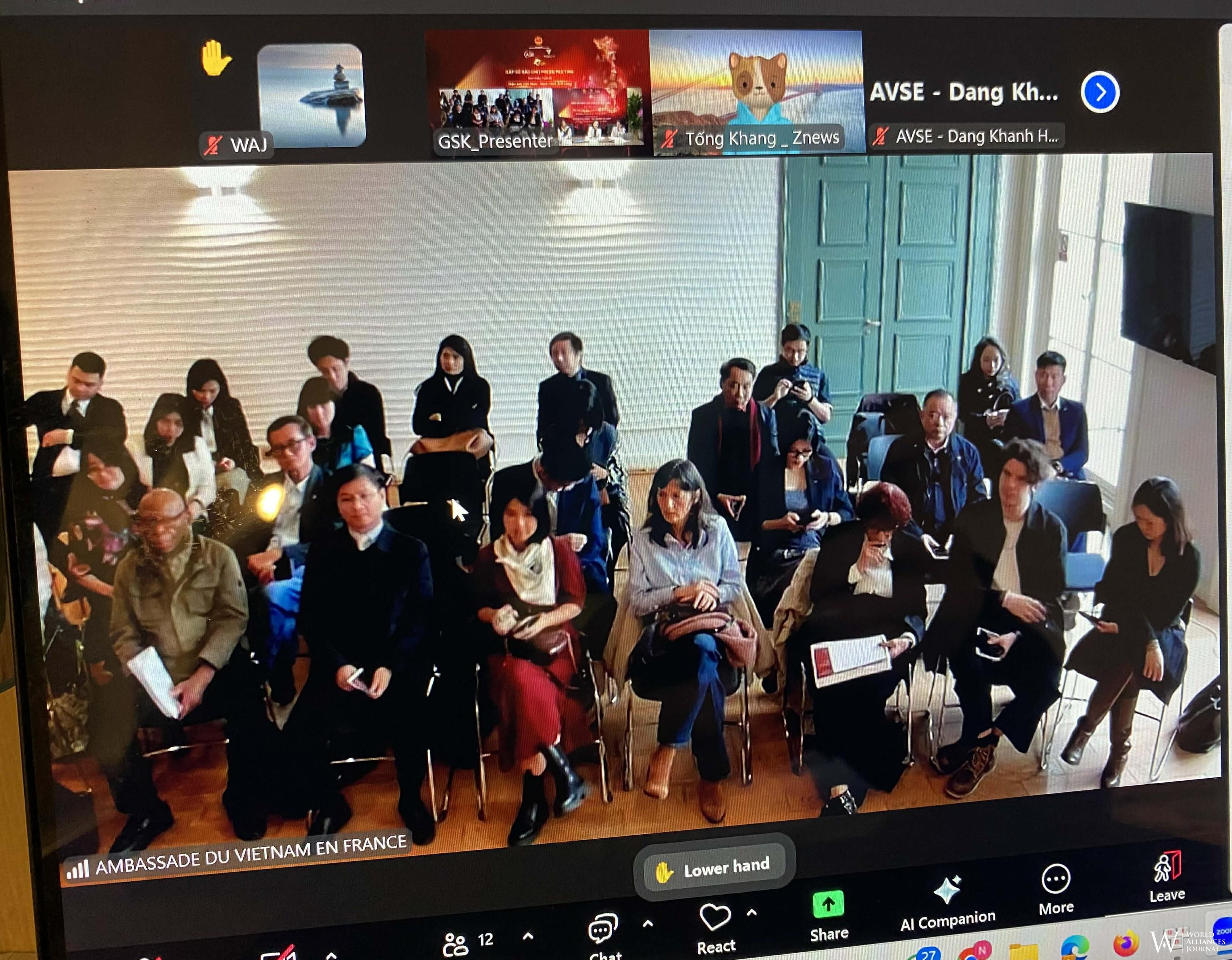
Journalists attending the online press meeting for “Vietnam Cinema – The Journey of Light,” Paris–Hanoi–EU. (Photo: WAJ)
Fourth, the role of voluntary cinema associations like VFDA: Voluntary cinema associations such as VFDA bring together organizations and individuals -including experienced managers, dedicated filmmakers, and passionate film investors. Through their strong connections with international expert networks and global intellectual organizations such as AVSE Global, they play a proactive role in promoting research, professional collaboration, and the international introduction of Vietnamese cinema.
WAJ: We thank Dr. Ngo Phuong Lan for her time and insights.
Paris - Vienna, 12/2025
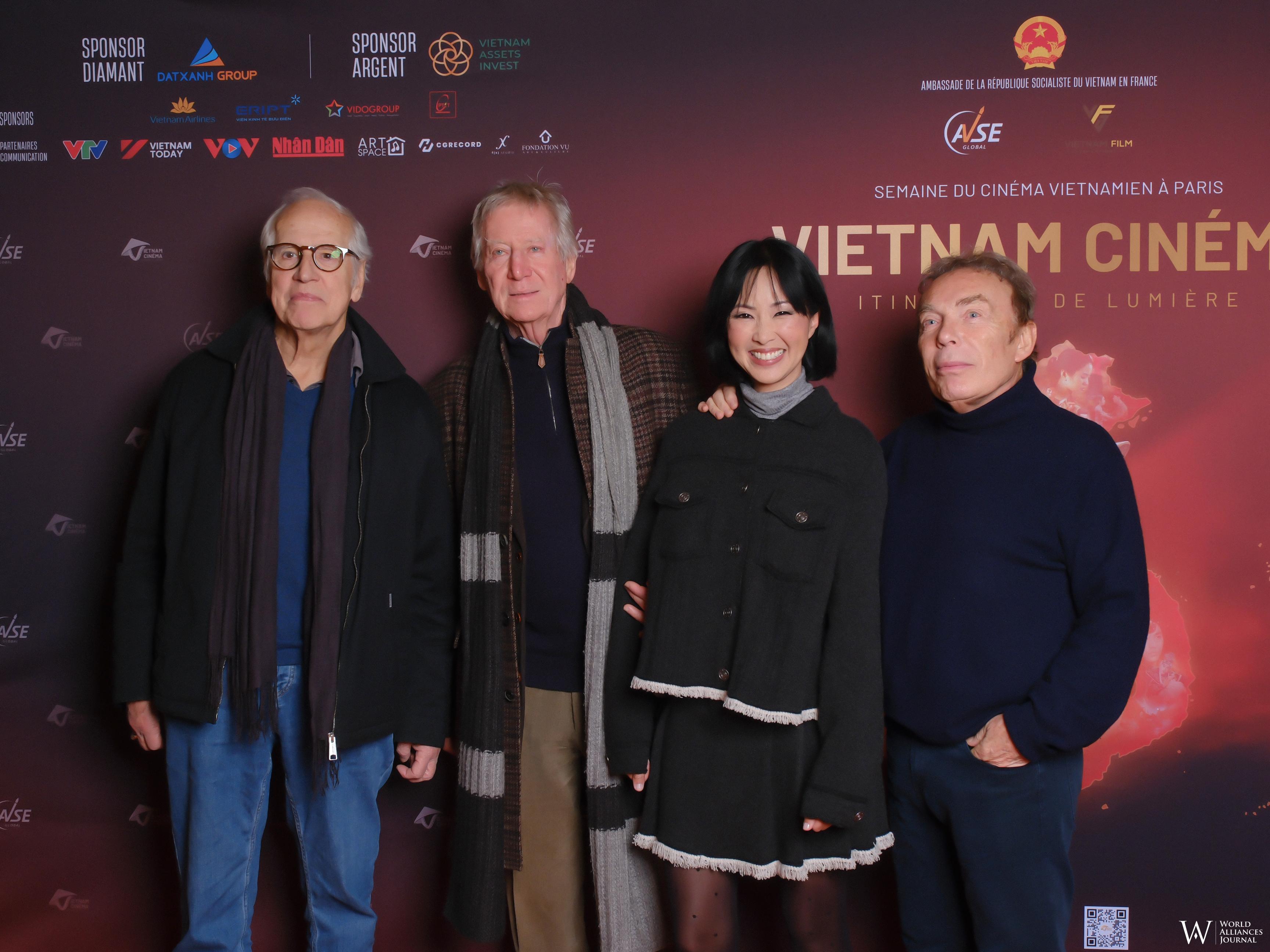
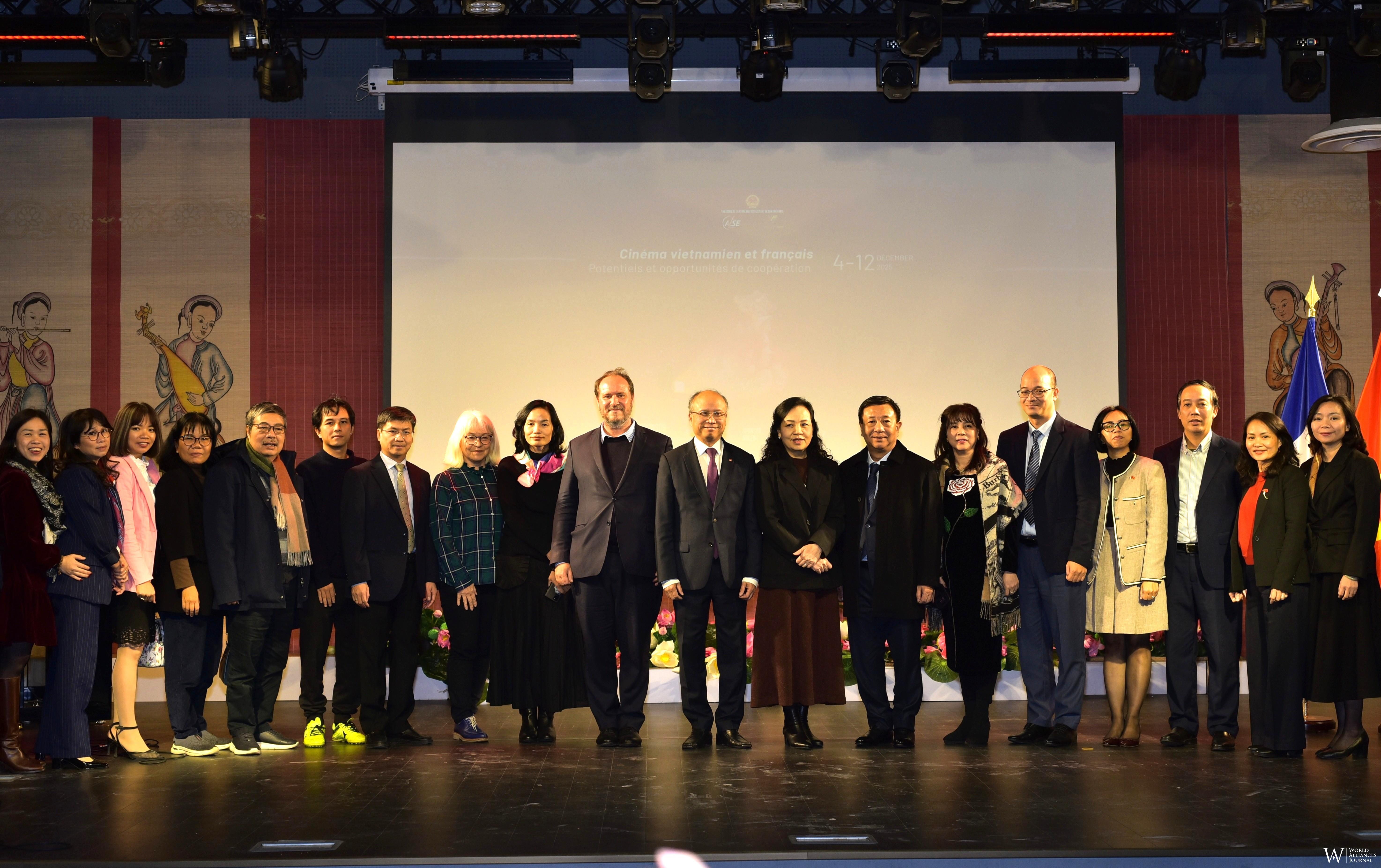
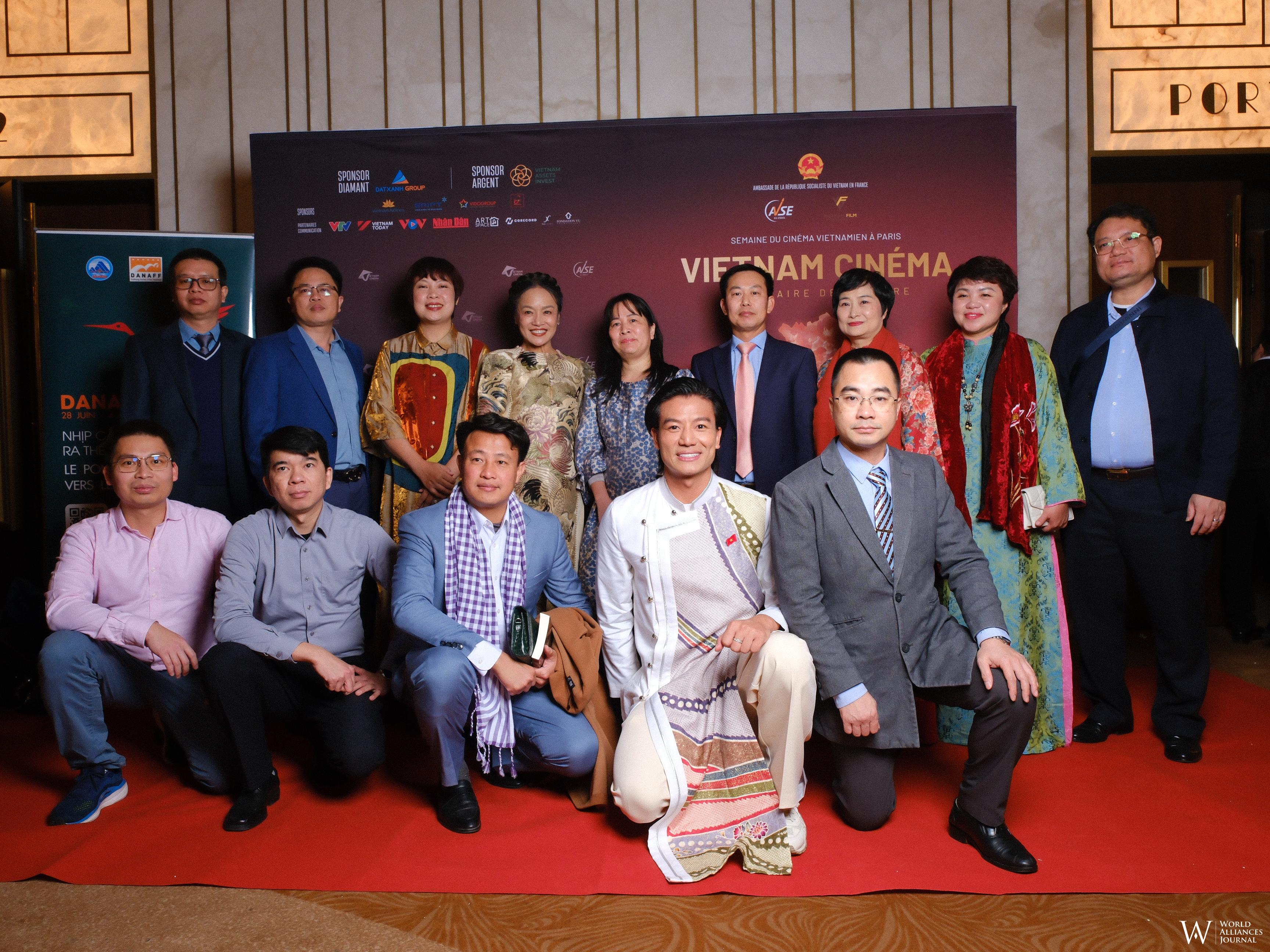
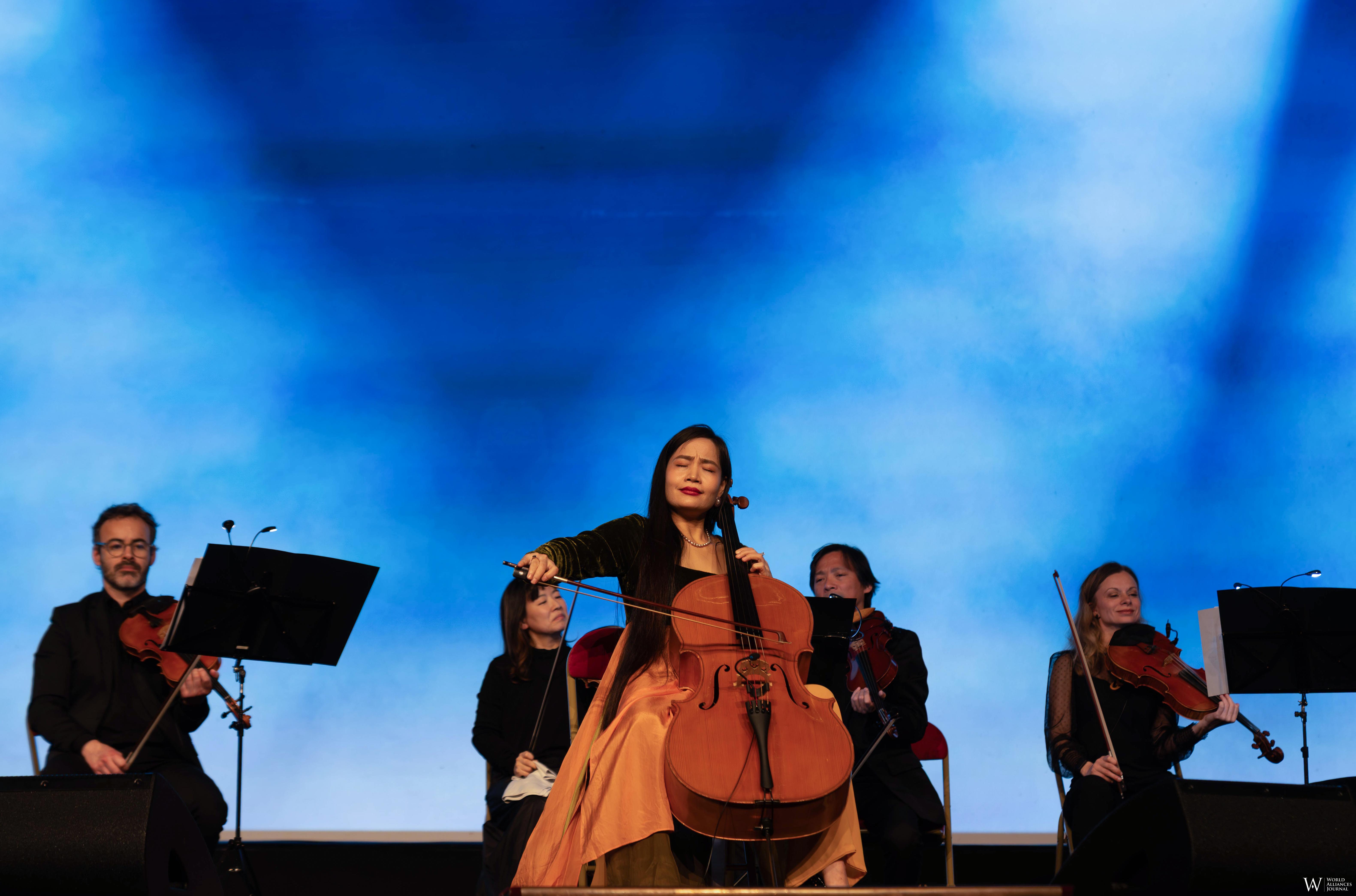
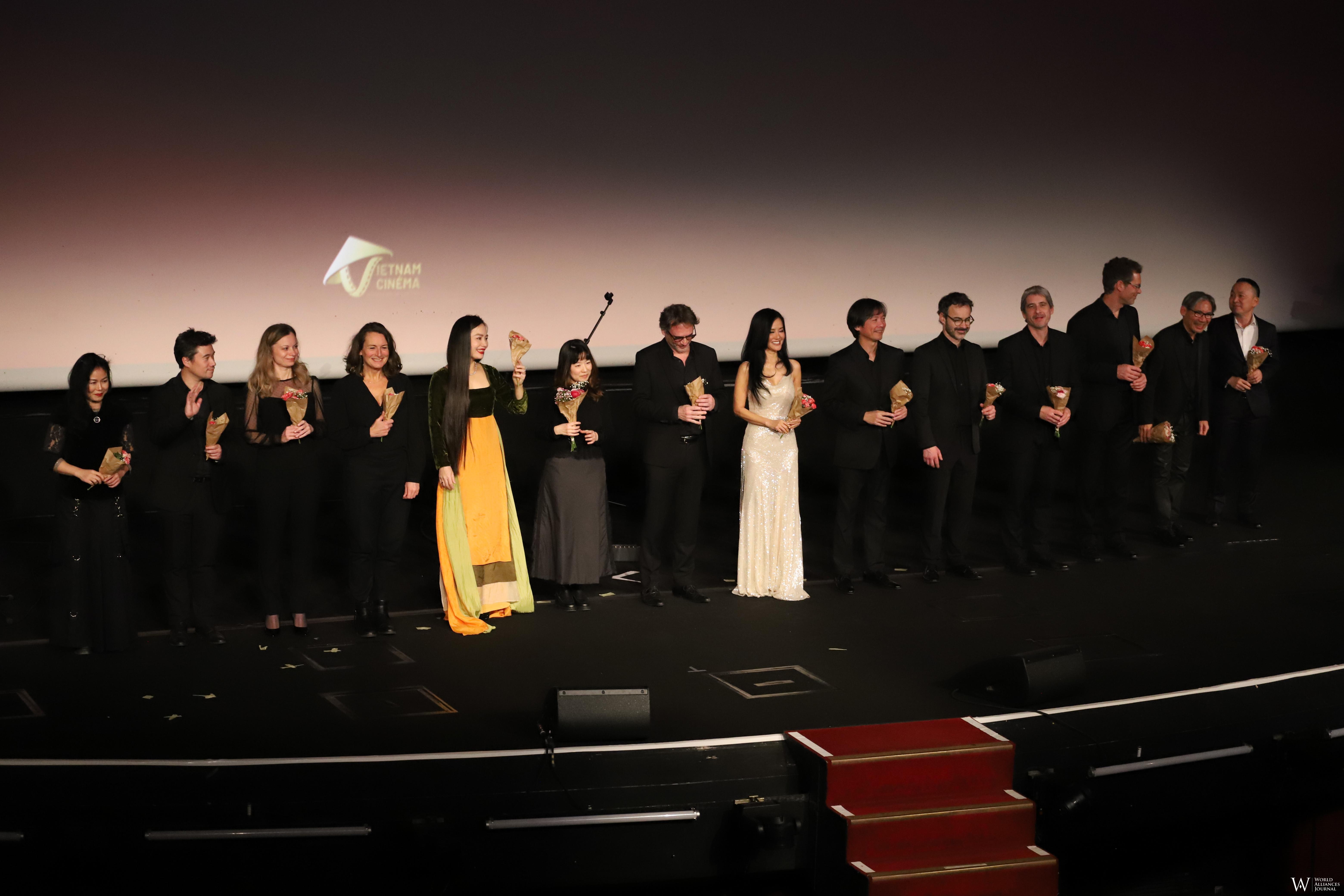
Photos from the opening ceremony of Vietnam Cinema – The Journey of Light, Paris, courtesy of the organizing committee
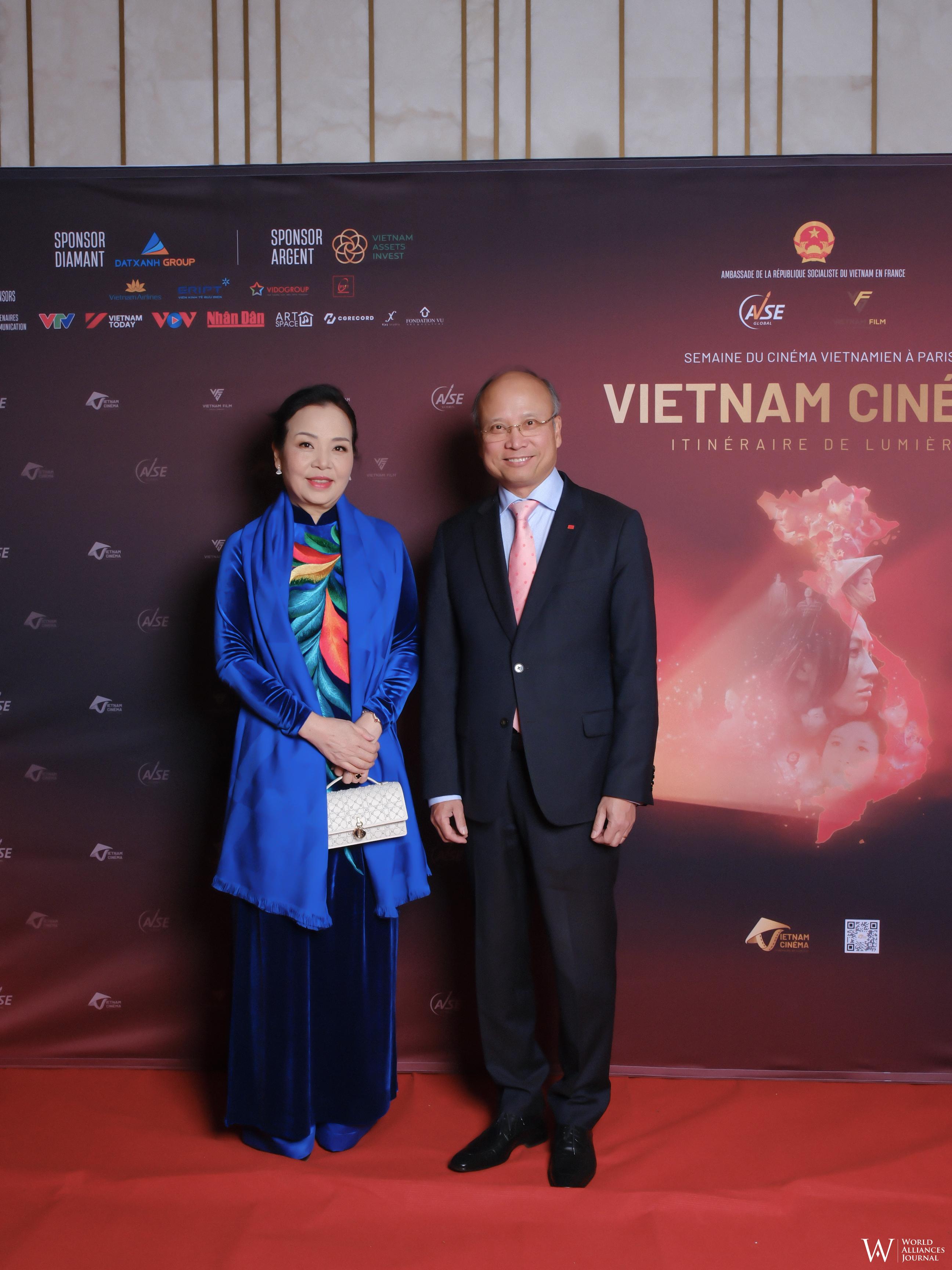
Dr. Ngo Phuong Lan and Mr. Dinh Toan Thang, Ambassador of Vietnam to France
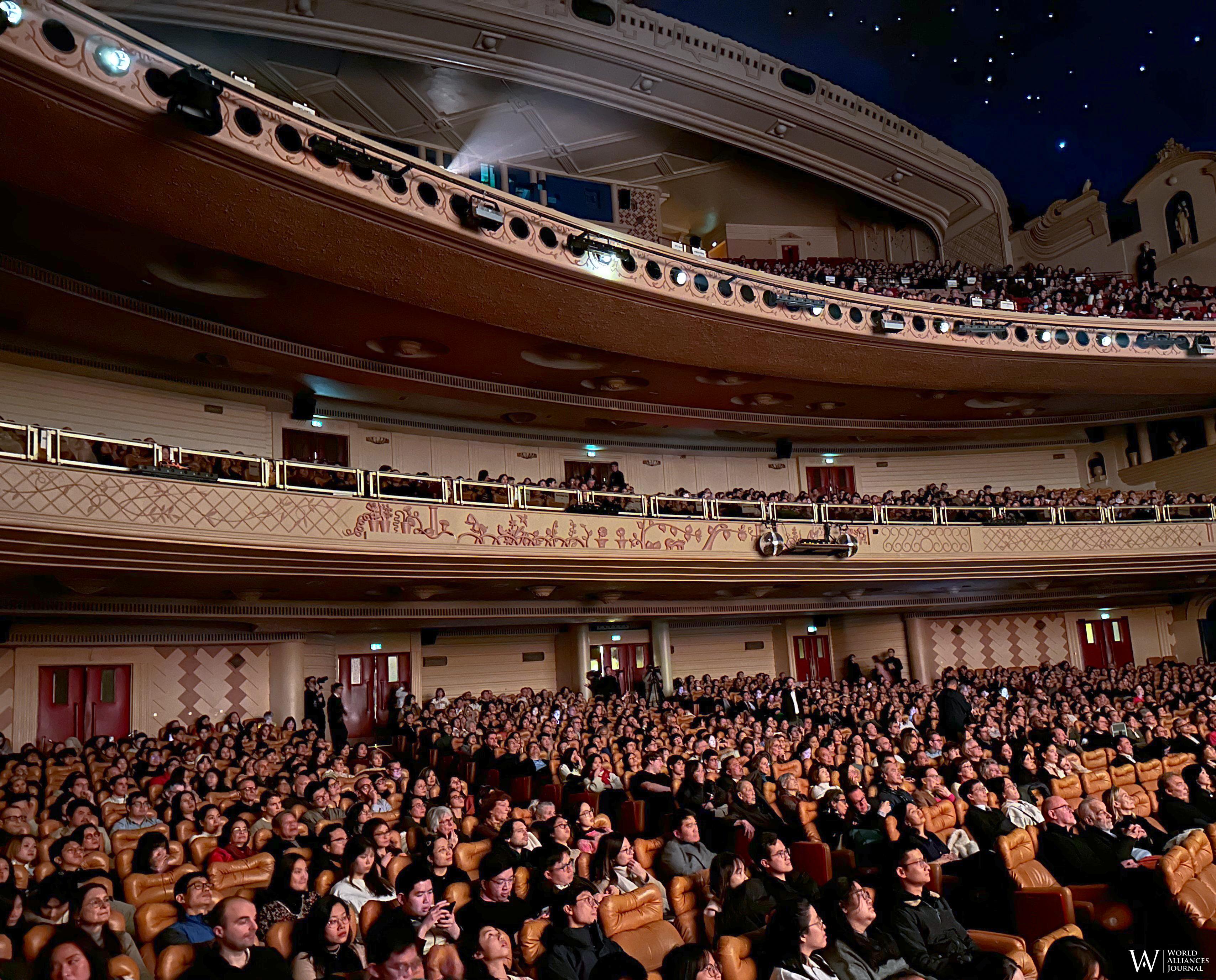
More than 2,000 seats inside the Grand Rex cinema were filled
PROMOTED
Dr. Hans-Peter Glanzer is an Austrian ambassador to Vietnam. He had previous assigned as Ambassador in Colombia, Brasília, Syria and now Vietnam. He started his job in Vietnam in September 2021. Reporter from WAJ had an interview with him on the occasion of the 50th anniversary of the establishment of bilateral relations between Austria and Vietnam (1972-2022).
Dr. Yen Platz
- Young translator conquers the ancient Greek classic Anabasis – Memoir of the Persian Expedition
- Austria news - Usama Nosshy channel covers Asean's 55th anniversary celebrations at the United Nations in Vienna
- VietnamPlus Newspaper reported about ASEAN's 55th anniversary at the United Nations in Vienna


MOST VIEWED
-
1
An international exhibition in Vienna discussing the development of medical and pharmaceutical services

-
2
Shape-line and social responsibility

-
3
How to make the most of the IPI World Congress

-
4
WORLD POLICE TAEKWONDO - MISSION TO MAINTAIN PEACE

-
5
From Fighting Spirit to a Sports Industry: Vietnamese Boxing’s New Blueprint

The two Kings Philippe and Van der Bellen havedifferent backgrounds, one is of royal origin, and the other is a child of a refugee family (once of noble origin) but now, in the eyes of the European public, both of them are giving off a sense of courtesy, virtue and erudition.
WAJ
With the attendance of many international figures, the 80th anniversary of the end of World War II was celebrated at the United Nations headquarters.
Journalist Usama Soliman


Comment